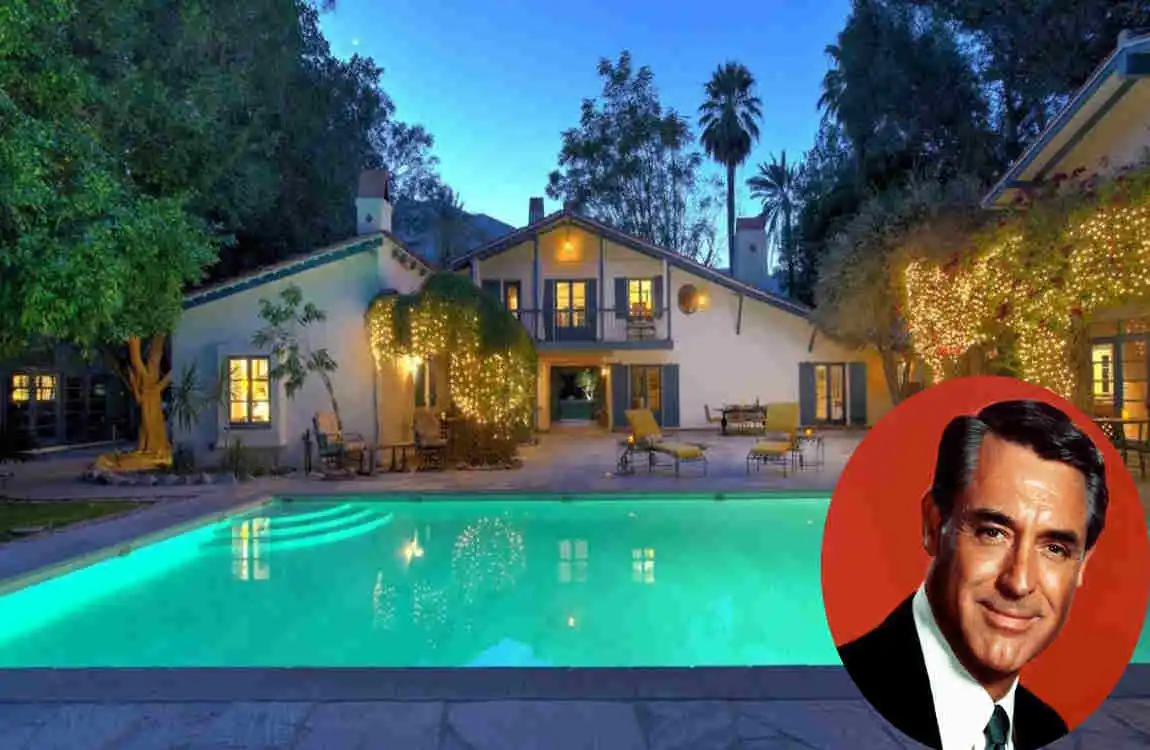
Cary Grant, one of Hollywood’s most celebrated legends, left an indelible mark on cinema with his timeless charm, wit, and sophistication. But beyond the silver screen, Grant also made a statement with his personal life—primarily through his enchanting Palm Springs residence. The “Cary Grant house, Palm Springs” is not only a luxurious retreat but also a piece of cultural and architectural history that continues to captivate admirers today.
Historical Background of Cary Grant’s Palm Springs House
Origins and Early Construction
The story of Cary Grant’s Palm Springs home begins in 1930, when renowned architect John Byers designed the property in the Spanish Colonial Revival style. Byers was known for creating elegant yet functional homes, and this house was no exception. Nestled in Palm Springs’ Movie Colony neighborhood, the property was initially built for a high-profile client, but its true fame would come years later.
Cary Grant’s Acquisition
Cary Grant purchased the property in 1954, during the peak of his illustrious career. At the time, Grant was one of Hollywood’s biggest stars, and the house became his private escape from the public eye. It was here that he could unwind, host close friends, and enjoy the serene beauty of the desert.
The estate, spanning 1.5 acres, was the epitome of luxury. Its lush gardens, expansive grounds, and elegant architecture made it a perfect retreat for a man of Grant’s stature. The location in the Movie Colony neighborhood, known for its celebrity residents, added to the property’s glamour.
Original Features
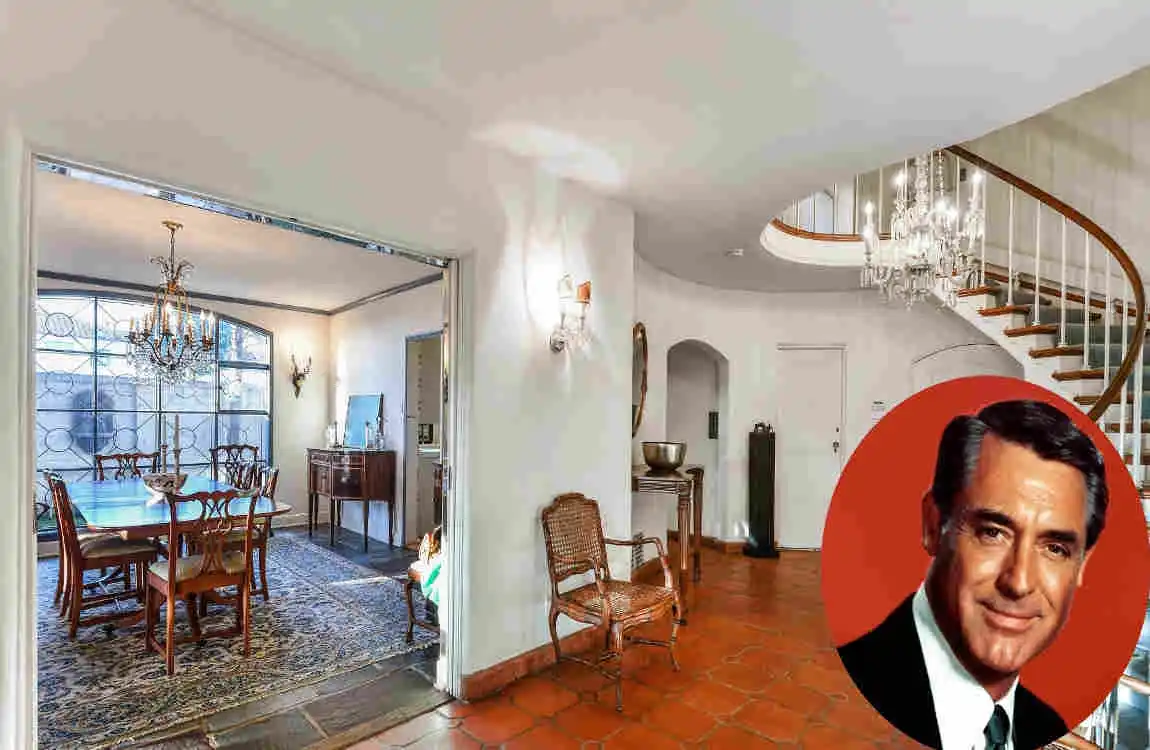
Before Grant’s ownership, the house already boasted many remarkable features. The design included white stucco walls, arched doorways, and terracotta tiles, all hallmarks of the Spanish Colonial Revival style. These elements, combined with the property’s sprawling layout and beautiful landscaping, made it a standout even in a neighborhood filled with iconic homes.
Architectural Style and Features
The Spanish Colonial Revival Style
The Spanish Colonial Revival architectural style, popular in the early 20th century, is characterized by its romantic and timeless appeal. Cary Grant’s Palm Springs house is a perfect example of this style, blending functionality with artistic beauty.
Key elements of the home’s design include:
- White Stucco Walls: These walls not only provide a clean, elegant look but also help to keep the house cool in the desert heat.
- Royal Blue Shutters: A striking contrast to the white walls, the blue shutters add a touch of vibrancy and charm.
- Terracotta Floor Tiles: These tiles enhance the house’s rustic yet sophisticated feel.
- Wood-Burning Fireplaces: The home features multiple fireplaces, offering warmth and a cozy ambiance during cooler desert evenings.
- Art Deco Bathroom Tiles: A nod to the glamour of Hollywood’s golden age, the Art Deco detailing adds a unique touch to the house.
The Lush Grounds
Beyond the house itself, the property’s outdoor spaces are equally impressive. The estate spans 1.5 acres and includes:
- Gardens: Beautifully landscaped grounds with a mix of desert plants and lush greenery.
- Pool Area: A sparkling pool surrounded by a serene setting, perfect for relaxation.
- Additional Structures: The property features casitas (small guesthouses), garage apartments, and other auxiliary buildings that enhance its functionality and charm.
Renovation Highlights
Over the years, the house has undergone various renovations to preserve its original character while incorporating modern conveniences. Efforts have been made to retain the Spanish Colonial aesthetic, ensuring that the property remains true to its roots.
Cary Grant’s Personal Touch and Life at the Palm Springs Retreat
A Private Sanctuary
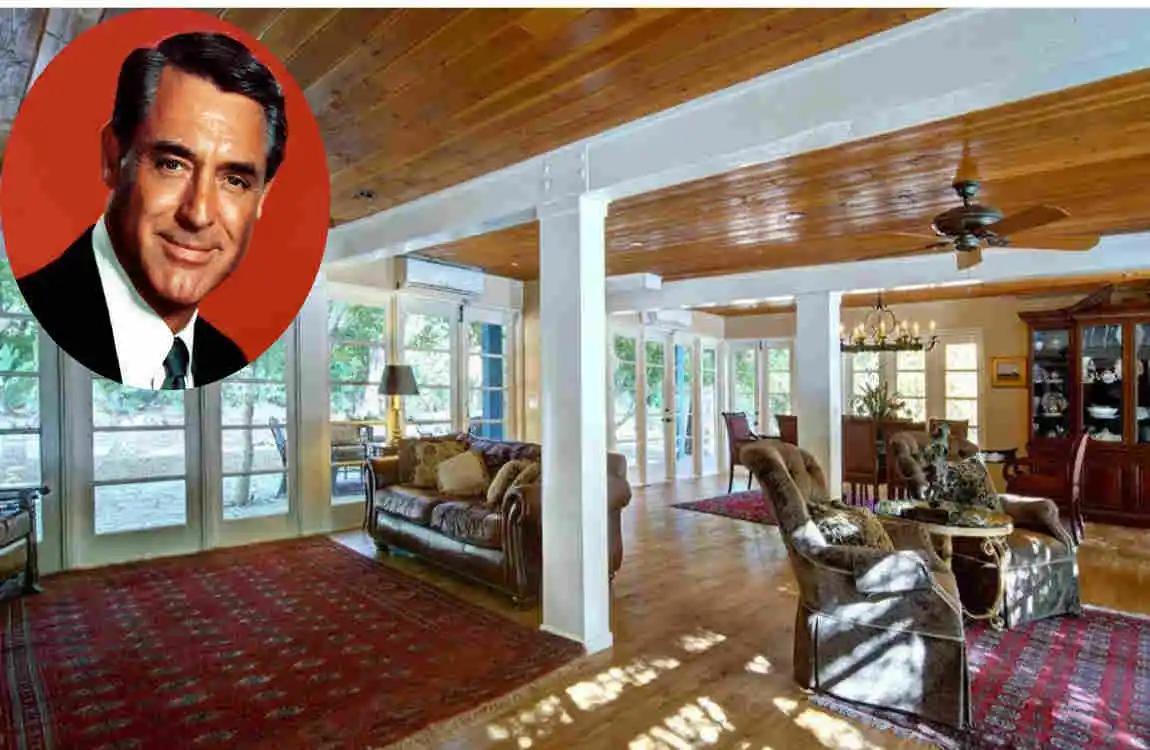
For Cary Grant, this house was more than just a place to live—it was a sanctuary. Away from the hustle and bustle of Hollywood, Grant could enjoy peace and privacy in Palm Springs. The home’s secluded location and lush landscaping provided the perfect escape from the media’s prying eyes.
Interior Design and Ambiance
Grant’s refined taste was evident in the house’s interior design. The decor blended classic elegance and cozy comfort, with warm colors, plush furnishings, and thoughtful details that made the space feel welcoming.
Notable Guests
The house also served as a gathering place for some of Hollywood’s biggest names. Grant frequently entertained close friends and colleagues, including:
- Howard Hughes
- Katharine Hepburn
- Sophia Loren
- Frank Sinatra
These gatherings further cemented the property’s status as a hub of Hollywood glamour.
Anecdotes from Grant’s Life
Cary Grant’s life at the Palm Springs house was marked by moments of joy and reflection. He spent time here with his wives and children, creating memories that would last a lifetime. The house was a backdrop to his personal journey, adding to its historical and emotional significance.
Later Ownership and Preservation Efforts
Subsequent Owners
After Cary Grant, the house changed hands several times, with each owner contributing to its preservation and upkeep. Despite these changes, the property has always retained its unique charm and historical value.
Historic Designation
In 2010, the house was designated a Class 1 Historic Site by the city of Palm Springs. This designation recognizes the home’s architectural and cultural importance, ensuring its preservation for future generations.
Current Condition
Today, the house remains in excellent condition, thanks to careful maintenance and restoration efforts. Its timeless design and luxurious features continue to attract admiration from architecture enthusiasts and fans of Hollywood history alike.
Market Value
The house’s historical significance and prime location make it a highly sought-after property. Recent real estate listings have valued it at multi-million-dollar levels, reflecting its enduring appeal.
Why Cary Grant’s Palm Springs House Remains Iconic
Cultural Significance
The Cary Grant house in Palm Springs is a symbol of Hollywood’s golden age. It represents the glamour and sophistication of a bygone era, offering a glimpse into the lifestyle of one of cinema’s greatest icons.
Architectural Appeal
The Spanish Colonial Revival style, with its timeless elegance and functionality, continues to captivate homeowners and architects. The design of Grant’s house is a testament to the enduring appeal of this architectural tradition.
A Link to Hollywood History
The house’s connection to Cary Grant and other Hollywood legends makes it a cultural landmark. It serves as a reminder of the golden age of cinema and the stars who shaped it.
Timeless Elegance
From its stunning design to its lush grounds, the house embodies timeless elegance. It’s a property that transcends trends, remaining just as beautiful and relevant today as it was in the 1950s.
Where Does Cary Grant Currently Live?
Cary Grant passed away on November 29, 1986, in Davenport, Iowa, so he does not currently live anywhere.