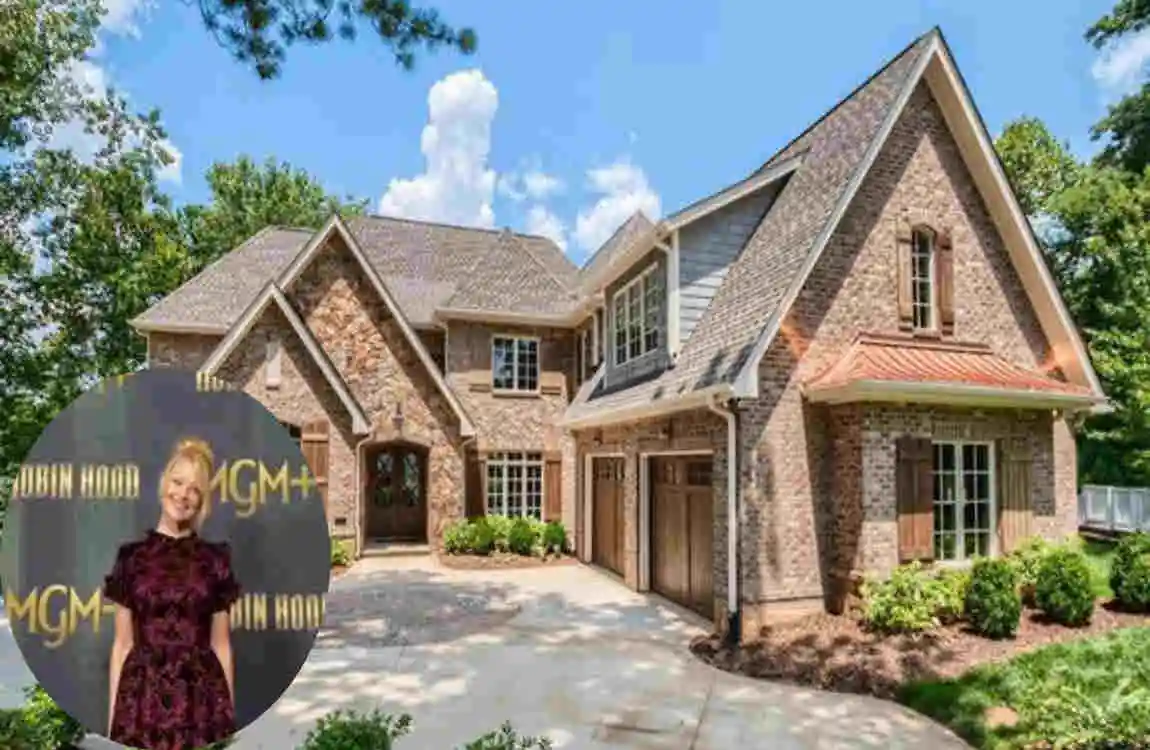
<p><span data-preserver-spaces="true">Nestled among the trees at 6515 Sharon Hills Road in Charlotte, NC, the </span><strong><span data-preserver-spaces="true">Charlotte Ross House</span></strong><span data-preserver-spaces="true"> stands as a remarkable testament to mid-century modern architecture. Often referred to as the “Platform in the Trees,” this home captures the essence of modernist design while blending seamlessly with its natural surroundings. Built in 1964 by architect Crutcher Ross, this home is not just a living space but an enduring piece of architectural history.</span></p>
<h2><span data-preserver-spaces="true">History of the Charlotte Ross House</span></h2>
<p><img class="aligncenter wp-image-6153 size-full" src="https://comeawayhome.co.uk/wp-content/uploads/2025/12/Untitleddesign29_imresizer-ezgif.com-jpg-to-webp-converter.webp" alt="charlotte ross house" width="1150" height="750" /></p>
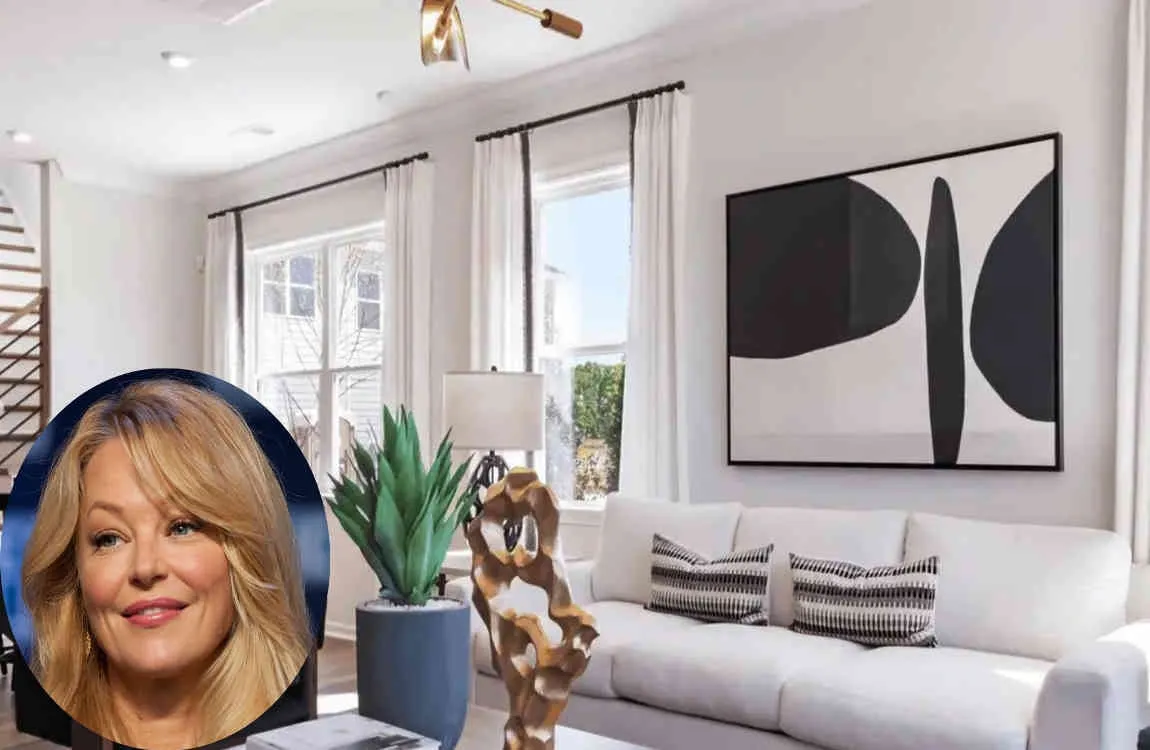
<p><span data-preserver-spaces="true">The story of the </span><strong><span data-preserver-spaces="true">Charlotte Ross House</span></strong><span data-preserver-spaces="true"> begins in 1964, when architect </span><strong><span data-preserver-spaces="true">Crutcher Ross</span></strong><span data-preserver-spaces="true"> designed and built this home for his family. Inspired by mid-century modern ideals, Ross created a space that brought the outdoors in, with expansive glass walls and a cantilevered structure. Nestled on </span><strong><span data-preserver-spaces="true">Sharon Hills Road</span></strong><span data-preserver-spaces="true">, the house was affectionately nicknamed the “Platform in the Trees” for its elevated design, which gave it the appearance of floating amid the forested landscape.</span></p>
<h3><span data-preserver-spaces="true">Key Historical Milestones</span></h3>
<p><span data-preserver-spaces="true">The ownership and evolution of the Charlotte Ross House over the decades reflect a rich history of <a href="https://comeawayhome.co.uk/devin-booker-house-exclusive-tour/">architectural</a> appreciation and change. Here’s a timeline of its journey:</span></p>
<p><span data-preserver-spaces="true">Year Event Key Owners/Changes</span></p>
<p><span data-preserver-spaces="true">1964 Built as “Platform in the Trees” Crutcher Ross</span></p>
<p><span data-preserver-spaces="true">1968 Sold Jack Deita Barnhardt</span></p>
<p><span data-preserver-spaces="true">1994 Sold Philip Cahill and Nena Jones</span></p>
<p><span data-preserver-spaces="true">Late 1990s+ Expanded footprint, Altered original design</span></p>
<h3><span data-preserver-spaces="true">The Neighborhood Context</span></h3>
<p><span data-preserver-spaces="true">The </span><strong><span data-preserver-spaces="true">Sharon Hills Road</span></strong><span data-preserver-spaces="true"> area was known for its modernist homes, many of which were built in the 1960s. A notable neighbor was the </span><strong><span data-preserver-spaces="true">Woods House</span></strong><span data-preserver-spaces="true">, designed around the same time. Unfortunately, the Woods House was later destroyed by fire, leaving the Charlotte Ross House as one of the few surviving examples of mid-century modernist architecture in this area.</span></p>
<h2><span data-preserver-spaces="true">Architectural Features</span></h2>
<p><img class="aligncenter wp-image-6152 size-full" src="https://comeawayhome.co.uk/wp-content/uploads/2025/12/Untitleddesign30_imresizer-ezgif.com-jpg-to-webp-converter.webp" alt="charlotte ross house" width="1150" height="750" /></p>
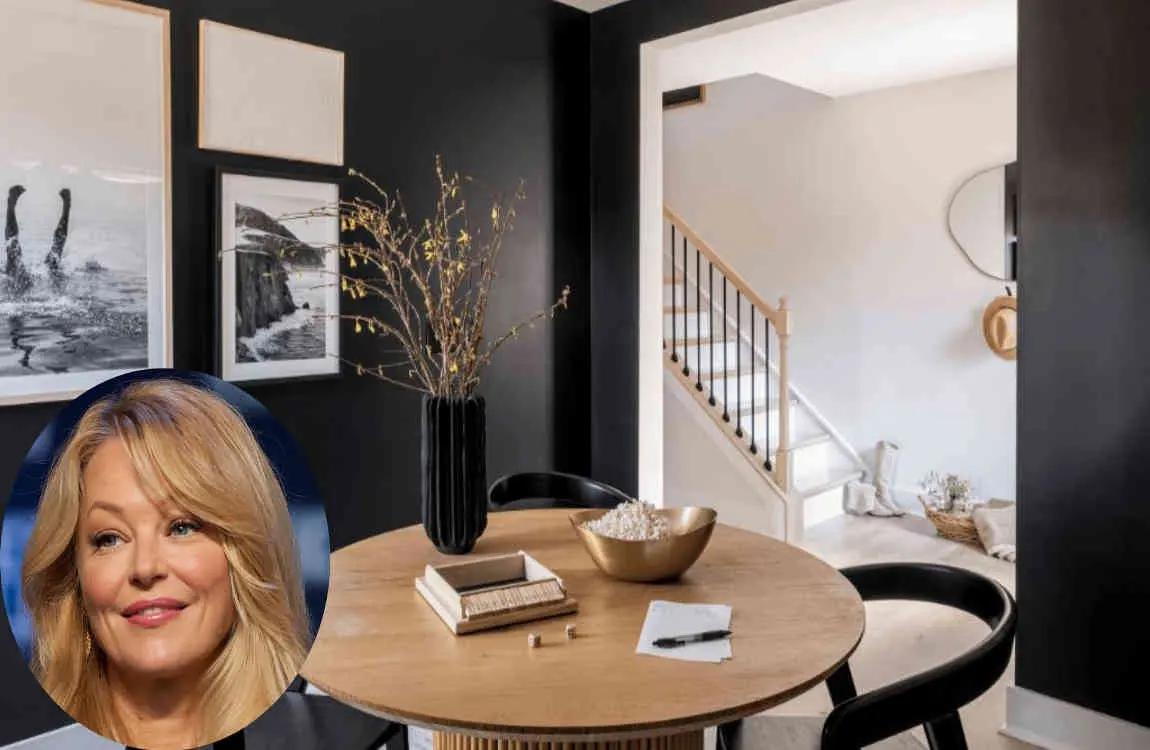
<p><span data-preserver-spaces="true">The </span><strong><span data-preserver-spaces="true">Charlotte Ross House</span></strong><span data-preserver-spaces="true"> is an exemplary piece of </span><strong><span data-preserver-spaces="true">mid-century modern architecture</span></strong><span data-preserver-spaces="true">, a design movement that emphasized simplicity, functionality, and integration with nature. The <a href="https://comeawayhome.co.uk/inside-ellen-adarnas-dream-home-luxury-privacy-and-filipino-design-trends/">home’s design</a> elements and materials reflect these principles, making it a standout property in Charlotte’s real estate market.</span></p>
<h3><span data-preserver-spaces="true">Hallmarks of Mid-Century Modern Design</span></h3>
<p><span data-preserver-spaces="true">The house’s design is a celebration of modernist ideals. Key features include:</span></p>
<ul>
<li><strong><span data-preserver-spaces="true">Elevated Platform Design</span></strong><span data-preserver-spaces="true">: The house is cantilevered, creating a floating effect among the surrounding trees.</span></li>
<li><strong><span data-preserver-spaces="true">Open Floor Plans</span></strong><span data-preserver-spaces="true">: Interiors are designed to encourage flow and connection between spaces.</span></li>
<li><strong><span data-preserver-spaces="true">Integration with Nature</span></strong><span data-preserver-spaces="true">: Floor-to-ceiling glass walls blur the boundaries between indoors and outdoors.</span></li>
<li><strong><span data-preserver-spaces="true">Natural Materials</span></strong><span data-preserver-spaces="true">: Wood, stone, and glass dominate the palette, creating a warm and inviting atmosphere.</span></li>
</ul>
<h3><span data-preserver-spaces="true">Ground Floor vs. Upper Levels</span></h3>
<ul>
<li><strong><span data-preserver-spaces="true">Ground Floor</span></strong><span data-preserver-spaces="true">: Originally designed to house bedrooms and private spaces, the ground floor was later expanded, altering the home’s original footprint.</span></li>
<li><strong><span data-preserver-spaces="true">Upper Levels</span></strong><span data-preserver-spaces="true">: The cantilevered upper levels maximize views of the lush Sharon Hills landscape, creating a treehouse-like experience.</span></li>
</ul>
<h3><span data-preserver-spaces="true">Comparison with Other Modernist Homes</span></h3>
<p><span data-preserver-spaces="true">To better understand the uniqueness of the Charlotte Ross House, let’s compare it to the nearby (and now destroyed) Woods House:</span></p>
<p><span data-preserver-spaces="true">Feature Charlotte Ross HouseWoods House</span></p>
<p><span data-preserver-spaces="true">Build Year 1964 ~1964</span></p>
<p><span data-preserver-spaces="true">Architectural Style Platform Modernist Lakefront Modernist</span></p>
<p><span data-preserver-spaces="true">Current Status: Expanded and preserved. Destroyed by fire</span></p>
<h2><span data-preserver-spaces="true">Ownership and Modifications</span></h2>
<p><span data-preserver-spaces="true">Over the years, the </span><strong><span data-preserver-spaces="true">Charlotte Ross House</span></strong><span data-preserver-spaces="true"> has undergone several changes, reflecting the needs and tastes of its various owners. While these <a href="https://comeawayhome.co.uk/townhouse-vs-condo-which-is-right-for-your-lifestyle-in-2025/">modifications</a> have added functionality, they have also sparked discussions about the impact on the home’s original mid-century aesthetic.</span></p>
<h3><span data-preserver-spaces="true">The Barnhardt Era (1968-1994)</span></h3>
<p><span data-preserver-spaces="true">After purchasing the home from Crutcher Ross in 1968, </span><strong><span data-preserver-spaces="true">Jack Deita Barnhardt</span></strong><span data-preserver-spaces="true"> made significant changes to the property. The most notable was the expansion of the ground floor, which added more living space but altered the home’s original proportions.</span></p>
<h3><span data-preserver-spaces="true">The Cahill/Jones Ownership (1994-Present)</span></h3>
<p><span data-preserver-spaces="true">In 1994, the </span><strong><span data-preserver-spaces="true">Charlotte Ross House</span></strong><span data-preserver-spaces="true"> was sold to </span><strong><span data-preserver-spaces="true">Philip Cahill and Nena Jones</span></strong><span data-preserver-spaces="true">, who likely made additional updates to modernize the property. While records are sparse, it’s believed that these updates focused on maintaining the home’s functionality without drastically changing its character.</span></p>
<h3><span data-preserver-spaces="true">Pros and Cons of Modifications</span></h3>
<p><span data-preserver-spaces="true">Here’s a quick breakdown of the benefits and drawbacks of the changes made to the Charlotte Ross House:</span></p>
<ul>
<li><strong><span data-preserver-spaces="true">Pros</span></strong><span data-preserver-spaces="true">:</span>
<ul>
<li><span data-preserver-spaces="true">Increased living space.</span></li>
<li><span data-preserver-spaces="true">Improved functionality for modern living.</span></li>
</ul>
</li>
<li><strong><span data-preserver-spaces="true">Cons</span></strong><span data-preserver-spaces="true">:</span>
<ul>
<li><span data-preserver-spaces="true">Loss of some original mid-century design elements.</span></li>
<li><span data-preserver-spaces="true">Alteration of the home’s architectural purity.</span></li>
</ul>
</li>
</ul>
<h2><span data-preserver-spaces="true">Visiting and Modern Appeal</span></h2>
<p><span data-preserver-spaces="true">Imagine walking down </span><strong><span data-preserver-spaces="true">Sharon Hills Road</span></strong><span data-preserver-spaces="true">, surrounded by towering trees and quiet serenity, until you arrive at the </span><strong><span data-preserver-spaces="true">Charlotte Ross House</span></strong><span data-preserver-spaces="true">. Its <a href="https://comeawayhome.co.uk/inside-alex-eubanks-stunning-new-nashville-dream-home-exclusive-tour-lifestyle-insights/">elevated design</a>, large windows, and natural materials make it feel like a hidden treasure in the heart of Charlotte.</span></p>
<h3><span data-preserver-spaces="true">What to Expect</span></h3>
<ul>
<li><strong><span data-preserver-spaces="true">Exterior</span></strong><span data-preserver-spaces="true">: The home’s cantilevered structure and glass walls immediately catch the eye, creating a treehouse-like effect.</span></li>
<li><strong><span data-preserver-spaces="true">Interior</span></strong><span data-preserver-spaces="true">: Inside, the open floor plan and natural light make the space feel both expansive and cozy. The flowing layout is ideal for modern families and entertainers alike.</span></li>
</ul>
<h3><span data-preserver-spaces="true">Why It Appeals to Modern Buyers</span></h3>
<p><span data-preserver-spaces="true">The </span><strong><span data-preserver-spaces="true">Charlotte Ross House</span></strong><span data-preserver-spaces="true"> offers a rare combination of historical significance and modern livability. Here’s why it’s so sought after:</span></p>
<ul>
<li><strong><span data-preserver-spaces="true">Rarity</span></strong><span data-preserver-spaces="true">: Mid-century modern homes are a niche market, especially in Charlotte, NC.</span></li>
<li><strong><span data-preserver-spaces="true">Restoration Potential</span></strong><span data-preserver-spaces="true">: Buyers can restore the home to its original glory while incorporating modern amenities.</span></li>
<li><strong><span data-preserver-spaces="true">Timeless Design</span></strong><span data-preserver-spaces="true">: The integration of natural materials and open spaces feels just as relevant today as it did in 1964.</span></li>
</ul>
<h2><span data-preserver-spaces="true">Why Charlotte Ross House Matters Today</span></h2>
<p><span data-preserver-spaces="true">The </span><strong><span data-preserver-spaces="true">Charlotte Ross House</span></strong><span data-preserver-spaces="true"> is more than just a home—it’s a piece of Charlotte’s <a href="https://comeawayhome.co.uk/molly-brown-house-a-restoration-of-history/">architectural history</a>. Here’s why it continues to matter:</span></p>
<h3><span data-preserver-spaces="true">Cultural Value</span></h3>
<p><span data-preserver-spaces="true">The house is listed in the </span><strong><span data-preserver-spaces="true">NC Modernist Houses Archive</span></strong><span data-preserver-spaces="true">, ensuring its place in the state’s architectural history. It serves as a reminder of a time when design prioritized harmony with nature and simplicity of form.</span></p>
<h3><span data-preserver-spaces="true">Real Estate Significance</span></h3>
<p><span data-preserver-spaces="true">In a market dominated by cookie-cutter developments, the Charlotte Ross House stands out as a unique offering. Its value is further enhanced by its location on </span><strong><span data-preserver-spaces="true">Sharon Hills Road</span></strong><span data-preserver-spaces="true">, a sought-after area for modernist enthusiasts.</span></p>
<h3><span data-preserver-spaces="true">Lessons from the Past</span></h3>
<p><span data-preserver-spaces="true">The fate of the nearby Woods House, which was lost to fire, underscores the importance of preserving <a href="https://comeawayhome.co.uk/jeanine-pirro-house/">architectural treasures</a> like the Charlotte Ross House. It’s a reminder that these homes are not just structures—they’re pieces of history.</span></p>
<h2><span data-sheets-root="1">Where Does Charlotte Ross Currently Live?</span></h2>
<p>Charlotte Ross, the actress known for roles in NYPD Blue and Days of Our Lives, currently resides in Los Angeles, California.</p>
Nestled among the trees at 6515 Sharon Hills Road in Charlotte, NC, the Charlotte Ross House stands as a remarkable testament to mid-century modern architecture. Often referred to as the “Platform in the Trees,” this home captures the essence of modernist design while blending seamlessly with its natural surroundings. Built in 1964 by architect Crutcher Ross, this home is not just a living space but an enduring piece of architectural history.
History of the Charlotte Ross House
The story of the Charlotte Ross House begins in 1964, when architect Crutcher Ross designed and built this home for his family. Inspired by mid-century modern ideals, Ross created a space that brought the outdoors in, with expansive glass walls and a cantilevered structure. Nestled on Sharon Hills Road, the house was affectionately nicknamed the “Platform in the Trees” for its elevated design, which gave it the appearance of floating amid the forested landscape.
Key Historical Milestones
The ownership and evolution of the Charlotte Ross House over the decades reflect a rich history of architectural appreciation and change. Here’s a timeline of its journey:
Year Event Key Owners/Changes
1964 Built as “Platform in the Trees” Crutcher Ross
1968 Sold Jack Deita Barnhardt
1994 Sold Philip Cahill and Nena Jones
Late 1990s+ Expanded footprint, Altered original design
The Neighborhood Context
The Sharon Hills Road area was known for its modernist homes, many of which were built in the 1960s. A notable neighbor was the Woods House, designed around the same time. Unfortunately, the Woods House was later destroyed by fire, leaving the Charlotte Ross House as one of the few surviving examples of mid-century modernist architecture in this area.
Architectural Features
The Charlotte Ross House is an exemplary piece of mid-century modern architecture, a design movement that emphasized simplicity, functionality, and integration with nature. The home’s design elements and materials reflect these principles, making it a standout property in Charlotte’s real estate market.
Hallmarks of Mid-Century Modern Design
The house’s design is a celebration of modernist ideals. Key features include:
- Elevated Platform Design: The house is cantilevered, creating a floating effect among the surrounding trees.
- Open Floor Plans: Interiors are designed to encourage flow and connection between spaces.
- Integration with Nature: Floor-to-ceiling glass walls blur the boundaries between indoors and outdoors.
- Natural Materials: Wood, stone, and glass dominate the palette, creating a warm and inviting atmosphere.
Ground Floor vs. Upper Levels
- Ground Floor: Originally designed to house bedrooms and private spaces, the ground floor was later expanded, altering the home’s original footprint.
- Upper Levels: The cantilevered upper levels maximize views of the lush Sharon Hills landscape, creating a treehouse-like experience.
Comparison with Other Modernist Homes
To better understand the uniqueness of the Charlotte Ross House, let’s compare it to the nearby (and now destroyed) Woods House:
Feature Charlotte Ross HouseWoods House
Build Year 1964 ~1964
Architectural Style Platform Modernist Lakefront Modernist
Current Status: Expanded and preserved. Destroyed by fire
Ownership and Modifications
Over the years, the Charlotte Ross House has undergone several changes, reflecting the needs and tastes of its various owners. While these modifications have added functionality, they have also sparked discussions about the impact on the home’s original mid-century aesthetic.
The Barnhardt Era (1968-1994)
After purchasing the home from Crutcher Ross in 1968, Jack Deita Barnhardt made significant changes to the property. The most notable was the expansion of the ground floor, which added more living space but altered the home’s original proportions.
The Cahill/Jones Ownership (1994-Present)
In 1994, the Charlotte Ross House was sold to Philip Cahill and Nena Jones, who likely made additional updates to modernize the property. While records are sparse, it’s believed that these updates focused on maintaining the home’s functionality without drastically changing its character.
Pros and Cons of Modifications
Here’s a quick breakdown of the benefits and drawbacks of the changes made to the Charlotte Ross House:
- Pros:
- Increased living space.
- Improved functionality for modern living.
- Cons:
- Loss of some original mid-century design elements.
- Alteration of the home’s architectural purity.
Visiting and Modern Appeal
Imagine walking down Sharon Hills Road, surrounded by towering trees and quiet serenity, until you arrive at the Charlotte Ross House. Its elevated design, large windows, and natural materials make it feel like a hidden treasure in the heart of Charlotte.
What to Expect
- Exterior: The home’s cantilevered structure and glass walls immediately catch the eye, creating a treehouse-like effect.
- Interior: Inside, the open floor plan and natural light make the space feel both expansive and cozy. The flowing layout is ideal for modern families and entertainers alike.
Why It Appeals to Modern Buyers
The Charlotte Ross House offers a rare combination of historical significance and modern livability. Here’s why it’s so sought after:
- Rarity: Mid-century modern homes are a niche market, especially in Charlotte, NC.
- Restoration Potential: Buyers can restore the home to its original glory while incorporating modern amenities.
- Timeless Design: The integration of natural materials and open spaces feels just as relevant today as it did in 1964.
Why Charlotte Ross House Matters Today
The Charlotte Ross House is more than just a home—it’s a piece of Charlotte’s architectural history. Here’s why it continues to matter:
Cultural Value
The house is listed in the NC Modernist Houses Archive, ensuring its place in the state’s architectural history. It serves as a reminder of a time when design prioritized harmony with nature and simplicity of form.
Real Estate Significance
In a market dominated by cookie-cutter developments, the Charlotte Ross House stands out as a unique offering. Its value is further enhanced by its location on Sharon Hills Road, a sought-after area for modernist enthusiasts.
Lessons from the Past
The fate of the nearby Woods House, which was lost to fire, underscores the importance of preserving architectural treasures like the Charlotte Ross House. It’s a reminder that these homes are not just structures—they’re pieces of history.
Where Does Charlotte Ross Currently Live?
Charlotte Ross, the actress known for roles in NYPD Blue and Days of Our Lives, currently resides in Los Angeles, California.