Imagine walking through a neighborhood where one house stands out—not because of its beauty, but because of its boarded windows, constant foot traffic, and an eerie sense of neglect. This is often the reality of a trap house, a term that has become synonymous with illegal drug activity and urban decay. Did you know that trap houses are linked to nearly 70% of urban drug arrests in some cities? This startling statistic highlights the significant role these locations play in perpetuating crime and addiction.
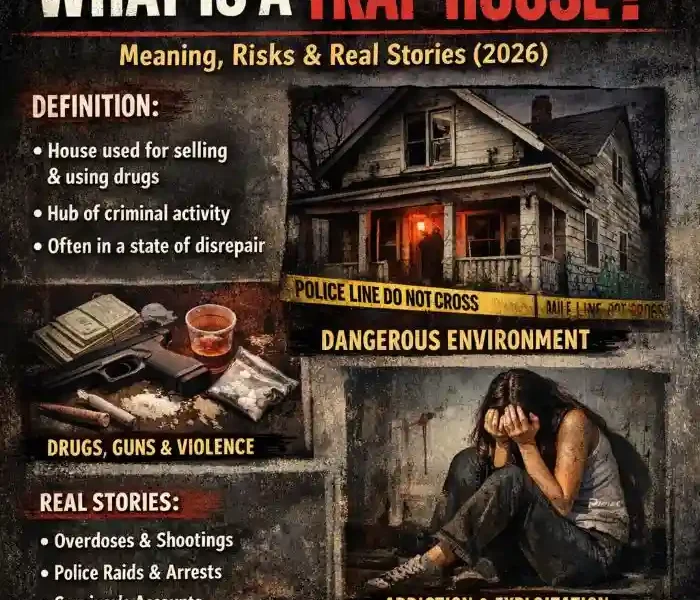
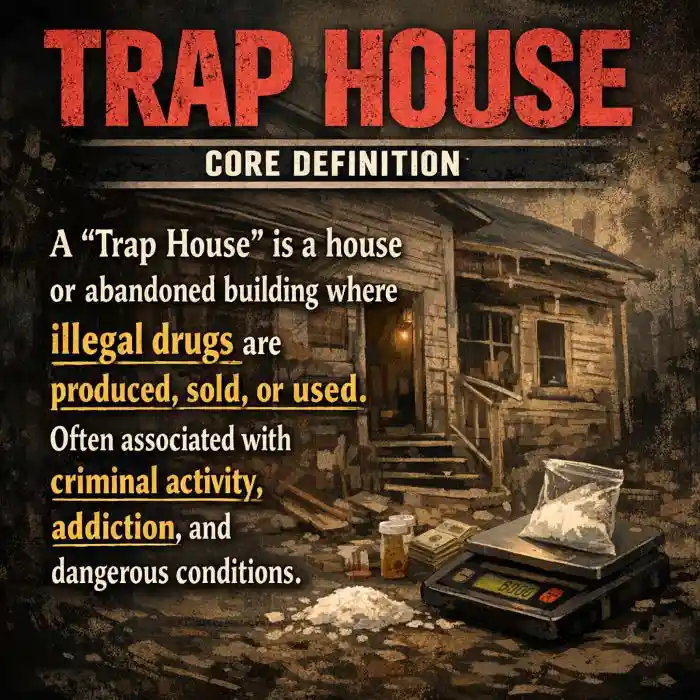
So, what is a trap house? At its core, a trap house is a residence—often rundown or abandoned—used as a hub for drug sales, consumption, and other illicit activities. These houses are not just a problem for law enforcement; they also pose serious risks to communities, property values, and public safety.
In this article, we’ll explore the trap house meaning, its origins, characteristics, and the dangers it brings to individuals and neighborhoods. Whether you’re a real estate investor, a concerned neighbor, or simply curious, understanding the impact of trap houses is crucial. Let’s dive deeper into this pressing issue.
History and Origins
Trap House Meaning in Hip-Hop Culture
The term “trap house” has its roots in Southern U.S. hip-hop culture, particularly in the 1990s. Artists like T.I., with his iconic album Trap Muzik, brought the term into mainstream awareness. In this context, “trap” refers to a place where drugs are sold, but it also symbolizes a “trap” for those caught in the cycle of addiction or criminal activity. The “house” part simply denotes the physical location where these activities occur.
Hip-hop culture often uses the term to reflect the harsh realities of urban life, where individuals hustle to survive. While the music glorifies the hustle, it also sheds light on the struggles and dangers associated with the trap lifestyle.
Evolution from Crack Houses (1980s)
The concept of a trap house evolved from the “crack houses” of the 1980s, which were primarily associated with the crack cocaine epidemic. Here’s a quick comparison:
| Era | Term | Key Traits |
|---|---|---|
| 1980s | Crack House | Cocaine-focused, open drug use |
| 2000s+ | Trap House | Broader drug sales, low-profile ops |
While crack houses were often chaotic and overt, trap houses are more discreet, adapting to modern law enforcement tactics. Social media platforms like TikTok and YouTube have also played a role in spreading awareness (and sometimes glamorization) of trap houses.
What Is a Trap House? Core Definition
Key Characteristics
A trap house is not your typical home. Here are some defining features:
- Physical Appearance: Often rundown, with boarded-up windows and minimal upkeep.
- High Traffic: A constant stream of visitors, often staying for only a few minutes.
- Activities: Drug sales, consumption, parties, and sometimes even prostitution.
- Ownership: These houses are often rented or squatted in, rather than owned by the dealers.
Trap House vs. Other Drug Spots
Trap houses are just one type of location used for drug-related activities. Here’s how they compare to other spots:
| Type | Purpose | Visibility |
|---|---|---|
| Trap House | Sales + use, low-key | Residential |
| Drug Den | Pure use/addiction | Seedy, often abandoned |
| Shoot-Up Spot | Heroin injection | Transient, hidden |
In essence, a trap house is a base of operations for drug dealers, designed to “trap” users in a cycle of addiction while evading law enforcement.
Signs of a Trap House
Spotting a trap house can be challenging, but there are telltale signs to watch for:
- Frequent Short Visits: Visitors come and go quickly, often staying for just 5-10 minutes.
- Lookouts: Individuals loitering outside, keeping an eye on the surroundings.
- Physical Neglect: Burned-out lights, boarded windows, and piles of trash.
- Odd Hours: Groups of people gathering late at night or early in the morning.
- Graffiti and Needles: Signs of drug use and gang activity.
If you’re a property owner or investor, recognizing these signs can help you protect your investments and contribute to community safety.
Dangers and Impacts
Personal Risks
Trap houses are dangerous for everyone involved. Here’s why:
- Violence: Drug deals can escalate into violent confrontations.
- Overdoses: These locations are often the site of fatal overdoses.
- Exploitation: Vulnerable individuals, including runaways, are often exploited in these environments.
Community and Business Effects
The presence of a trap house can devastate a neighborhood. Here are some examples:
- Property Values: Homes near trap houses can see a 20-40% drop in value.
- Health Risks: Increased rates of diseases like hepatitis due to shared needles.
- Crime Rates: Trap houses attract other criminal activities, from theft to gang violence.
| Impact Area | Effect Example |
|---|---|
| Real Estate | Foreclosures and devaluation |
| Health | Hepatitis and overdose spikes |
The economic and social toll of trap houses is immense, making it essential for communities to address this issue proactively.
Legal Consequences
Operating or even being associated with a trap house carries severe legal penalties:
- Federal Charges: Drug distribution can result in sentences ranging from 5 to 40 years.
- Local Laws: Many cities have nuisance laws that allow for the eviction of tenants involved in illegal activities.
- 2026 Updates: Recent crackdowns have led to harsher penalties for those involved in drug operations.
For property owners, reporting suspicious activity can help safeguard your assets and avoid legal complications.
How to Report and Avoid
If you suspect a trap house in your area, here’s what you can do:
- Document Evidence: Take photos and note times of suspicious activity.
- Contact Authorities: Use non-emergency hotlines to report your concerns.
- Conduct Due Diligence: For real estate investors, thorough inspections can help identify potential risks.
Taking these steps can make a significant difference in protecting your community and investments.
Trap Houses in Pop Culture
Trap houses have also made their way into pop culture, often glamorized in music and media:
- Rap Music: Artists like Gucci Mane frequently reference trap houses in their lyrics, highlighting both the hustle and the dangers.
- Documentaries: Platforms like YouTube feature exposés that delve into the realities of trap houses.
While these portrayals can raise awareness, they also risk normalizing or romanticizing the lifestyle.
Conclusion and Business Takeaways
In summary, a trap house is more than just a physical location—it’s a symbol of the challenges facing urban communities. These houses trap individuals in cycles of addiction and crime, while also dragging down property values and neighborhood safety.
For real estate professionals and community members, understanding the signs and impacts of trap houses is crucial. By staying vigilant and proactive, we can work together to reclaim our neighborhoods and create safer, healthier environments for everyone.