If you’ve searched why does cps come to your house, you’re probably stressed, confused, and looking for plain answers. That reaction is completely normal. A visit from Child Protective Services, often called CPS, can feel scary even when you believe you have done nothing wrong.
In simple terms, CPS is a child welfare agency that looks into reports that a child may be unsafe. Sometimes the concern is serious. Other times, the report is based on misunderstanding, incomplete information, or something that looks worse than it really is. Either way, a home visit usually means the agency wants to check on a child’s safety, ask questions, and decide whether more follow-up is needed.
This article will walk you through why does cps come to your house, what usually triggers a visit, what caseworkers often look for during a home check, how you can respond calmly, and what steps matter most if the case becomes more serious. You will also learn practical ways to document your family’s situation and reduce confusion if a report is made.
Important note: CPS rules and family law procedures can vary by state, so this article is general information only and not legal advice.
Why Does CPS Come to Your House?
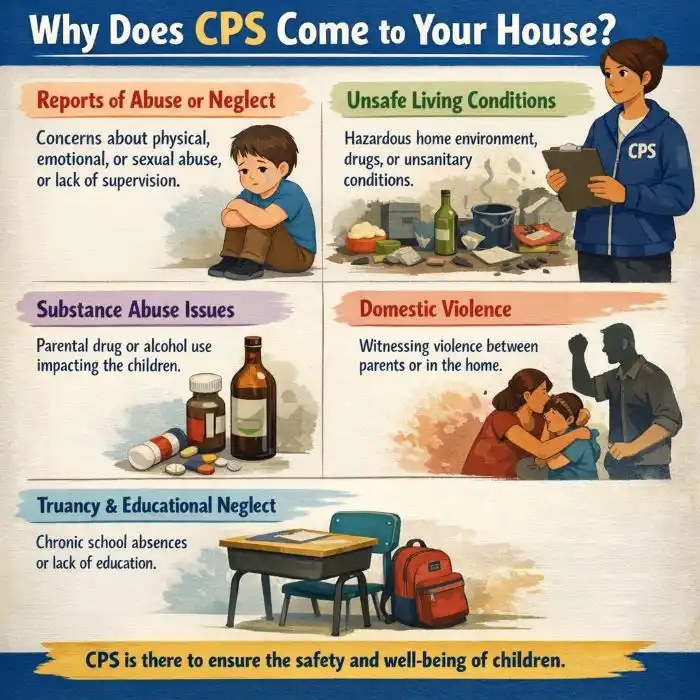
When people ask why does cps come to your house, the short answer is usually this: someone reported a concern about a child’s safety or well-being. That does not automatically mean the report is true. It does mean the agency decided the concern was serious enough to review.
A home visit may lead to a short investigation, a request for more information, a safety plan, or in some cases no further action at all. In more urgent situations, CPS may move quickly if they believe a child faces immediate danger.
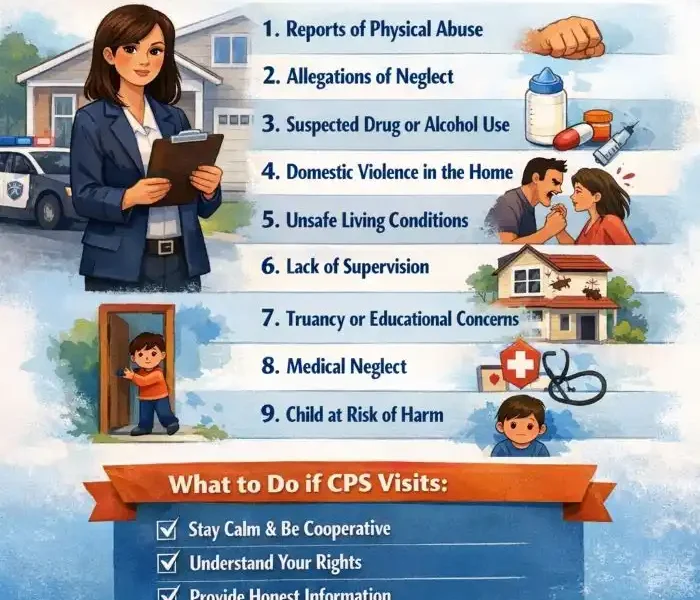
Below are the most common reasons a CPS visit happens.
Reports of Physical Abuse
One of the most common triggers is a report that a child may have been physically harmed. This can happen when a teacher, doctor, school nurse, neighbor, or relative notices bruises, burns, cuts, or other injuries and believes the explanation does not match what they see.
For example, a child may come to school with repeated bruises and give different explanations each time. A doctor may notice an injury pattern that raises concern. A babysitter may report seeing an adult use excessive force during discipline. In cases like these, CPS may visit the home to ask how the injury happened and whether the child is safe.
That does not mean every injury leads to removal. Kids fall, roughhouse, and get hurt. But when injuries are repeated, severe, or unexplained, the agency often takes a closer look.
Allegations of Sexual Abuse
CPS may also come to a home when there is a report of sexual abuse, sexual contact, exposure to sexual activity, or sexual exploitation involving a child. These cases are often treated very seriously and may involve law enforcement alongside CPS.
A report might begin after a child tells a trusted adult something happened. It can also start when a caregiver notices age-inappropriate sexual behavior, or when a medical provider sees signs that need more review. Because these allegations are highly sensitive, caseworkers often move carefully but quickly.
If the concern involves a person living in or frequently visiting the home, the investigation may focus on whether the child has ongoing access to that person and whether immediate safety steps are needed.
Neglect and Lack of Supervision
Neglect is another major reason CPS visits a home. In everyday terms, neglect means a child’s basic needs are not being met. That can include food, shelter, clothing, medical care, hygiene, education, or safe supervision.
This area often creates confusion because not every messy house or late bill counts as neglect. CPS usually looks for patterns or conditions that suggest the child’s health or safety is affected. Examples may include:
- A very young child left alone for long periods
- Repeated lack of food in the home
- Chronic poor hygiene tied to a caregiver’s failure to provide care
- Frequent school absences with no good explanation
- Missed medical appointments for serious health issues
Neglect cases can range from mild concerns to serious safety risks. Sometimes the issue is connected to poverty, crisis, illness, or lack of support rather than intentional harm. Even so, CPS may still investigate if the child appears to be at risk.
Exposure to Drugs, Alcohol, or Unsafe Conditions
Another answer to why does cps come to your house is concern about a child living around drug use, alcohol abuse, or hazardous home conditions. A report may claim that caregivers are using substances while supervising children, that illegal drugs are present in the home, or that the child is exposed to dangerous items or behavior.
Unsafe conditions can include things like:
- Drug paraphernalia within a child’s reach
- Strong chemical smells or smoke exposure
- Severe clutter that blocks exits
- Broken glass, exposed wires, or no working utilities
- Weapons left unsecured
- Dangerous adults regularly entering the home
CPS may be less concerned with whether a home looks perfect and more concerned with whether it is safe and functional. A small or modest home is not the issue. Immediate danger usually is.
Domestic Violence in the Home
CPS may show up even if the child was not directly hit. Why? Because many agencies view domestic violence in the home as a child safety concern, especially when the child sees it, hears it, or gets caught in the middle.
A police call, visible injuries, repeated disturbances, or a report from a neighbor may prompt a referral. CPS may want to know:
- Was the child present during violent incidents?
- Has the child tried to intervene?
- Is the violent person still in the home?
- Is there a plan to keep the child safe?
This can feel frustrating to parents who are also victims. But from CPS’s point of view, the question is whether the child faces ongoing emotional or physical risk.
Medical Neglect
Medical neglect means a child may not be receiving necessary medical care. This often comes up when a child has a serious illness, injury, or chronic condition and a caregiver repeatedly fails to follow through with needed treatment.
Examples can include refusing urgent care for a serious injury, not filling important medication, ignoring specialist instructions for a major condition, or repeatedly missing appointments when the child’s health is clearly suffering.
This area can get complicated fast. Parents sometimes have real concerns about treatment, cost, side effects, or diagnosis. CPS may still become involved if professionals believe the child faces preventable harm because needed care is not happening.
Abandonment or Caregiver Absence
CPS may come to a home if there is concern that a child has been left without a responsible adult. This can involve a young child left alone, a parent disappearing for long periods, or a caregiver becoming unavailable due to arrest, hospitalization, substance impairment, or another emergency.
Sometimes these situations arise during crisis rather than intention. A parent may have no backup childcare. A relative may think another adult is supervising. But when no safe adult is clearly responsible, a report can be made quickly.
In these cases, the agency often tries to understand whether the problem was temporary, how often it happens, and whether there is a reliable safety plan going forward.
Anonymous or Third-Party Reports
Many CPS cases begin because someone outside the family made a report. That person may be a teacher, counselor, doctor, therapist, social worker, police officer, coach, neighbor, or even an ex-partner or relative.
Some professionals are required by law to report suspected abuse or neglect when they reasonably believe a child may be in danger. Other reports are anonymous. That means the family may never learn exactly who contacted CPS.
This can be upsetting, especially if the report seems exaggerated or false. Still, CPS usually focuses less on who made the report and more on whether the facts need checking. A false report may still trigger a visit if the allegation sounds serious on paper.
Behavioral Signs Seen at School or by a Doctor
Sometimes a report starts not with an injury, but with a child’s behavior, fear, or statements. A school may notice a child suddenly becoming withdrawn, aggressive, exhausted, hungry, anxious, or frightened of going home. A doctor may notice concerning emotional behavior during an appointment.
Children also sometimes make comments that adults cannot ignore. Even if the statement is unclear, a teacher or provider may be required to report it and let CPS look further.
That does not mean every behavioral issue points to abuse. Children struggle for many reasons, including grief, divorce, stress, bullying, or mental health concerns. But if the behavior suggests a safety problem at home, CPS may investigate.
What CPS Looks for During a Home Visit
When CPS comes to your house, the caseworker is usually trying to answer one main question: Is the child safe right now? They are not there to judge your decorating style, income level, or whether your home looks magazine-ready. They are generally looking at safety, care, and living conditions.
Home Environment and Living Conditions
A caseworker will often pay attention to the overall condition of the home. That usually includes whether the space has basic sanitation, working utilities, food, sleeping arrangements, and protection from obvious hazards.
They may notice things like:
| Area CPS May Notice | What It Can Mean |
|---|---|
| Food in kitchen | Whether the child has regular access to meals |
| Heat, water, electricity | Whether the home is functional and livable |
| Clean sleeping space | Whether the child has a reasonable place to sleep |
| Dangerous items in reach | Whether there are immediate safety risks |
| Smoke detectors or fire hazards | Whether the home is reasonably safe |
| Severe filth, pests, or waste | Whether conditions affect health and care |
A house does not need to be spotless. Most homes look lived in. What matters more is whether the environment creates danger or shows ongoing neglect.
Supervision and Daily Routine
CPS also wants to know who cares for the child and how daily life works. They may ask who watches the child after school, who takes them to appointments, what time they go to bed, whether they attend school regularly, and whether the adults in the home can meet the child’s needs.
Routine matters because it helps show stability. A child does not need a perfect schedule, but regular meals, school attendance, sleep, and age-appropriate supervision all support the picture of a safe home.
If a child is frequently missing school, wandering unsupervised, or being cared for by inappropriate people, that can raise concern.
The Child’s Physical Condition
Caseworkers often look at the child directly. They may notice visible injuries, poor hygiene, signs of illness, tiredness, fearfulness, or unusual behavior. They may compare the child’s condition with the explanation given by the caregiver.
For example, if a child has a bruise, they may ask how it happened, when it happened, and whether medical care was sought. If the story changes a lot, that may create more questions. If the explanation is consistent and reasonable, concern may lessen.
They may also ask about medications, recent doctor visits, school issues, or any special needs the child has.
Possible Substance Exposure or Impairment
If substance use is part of the report, the caseworker may look for signs that children are exposed to drug use, alcohol abuse, or caregiver impairment. This could include items left in reach, strong odors, erratic behavior, or signs that the caregiver cannot safely supervise a child.
Again, the focus is usually practical. The question is not just whether an adult uses substances, but whether that use affects parenting, supervision, judgment, or home safety.
Interviews and Records
CPS may want to speak with the child, parents, and sometimes other people involved in the child’s life. That can include relatives, teachers, doctors, therapists, or childcare providers.
They may also request records such as:
- School attendance reports
- Medical records
- Immunization records
- Therapy information
- Police reports
- Prior CPS history
Many reports are never proven. Still, agencies often investigate first and sort out the details afterward. That means a visit alone does not automatically mean the agency believes the allegations are true.
Your Rights and How to Respond When CPS Comes
If you are wondering why does cps come to your house, you are probably also asking a second question: What should I do when they arrive? The best approach is calm, respectful, and careful.
Stay Calm and Do Not Escalate
Your first goal is simple: do not make a stressful situation worse. Even if you feel angry, shocked, or insulted, try to stay polite. A defensive reaction can create confusion and tension right away.
Take a breath. Speak clearly. Ask questions. Listen carefully. If possible, write down the worker’s name, title, phone number, and agency.
Ask for Identification and Basic Information
You should know who is at your door. Ask for official identification and request the following details:
- Full name of the caseworker
- Agency name
- Office phone number
- Case or reference number
- General reason for the visit
You do not need to argue on the porch. Start by getting information and understanding what the agency is claiming.
Be Careful With What You Say
It is usually wise to be truthful but brief. Answer basic questions clearly, but do not ramble, guess, or fill silence with extra detail. People often talk too much when nervous, and that can create misunderstandings.
A few simple rules help:
- Do not lie
- Do not speculate
- Do not admit something you do not understand
- Do not sign documents you have not read
- Do not become hostile or sarcastic
If you do not know the answer to something, say so. If you need a moment, take one.
Understand That Rules Can Differ by State
One of the hardest parts of CPS cases is that procedures vary by location. In some situations, a caseworker may ask to come inside and look around. In others, they may return with additional legal authority if they believe there is an emergency or obtain court involvement depending on local law.
Because this area is highly state-specific, many parents choose to speak with a local family law attorney quickly, especially if the allegations are serious. That is often the safest move when you are unsure of your rights.
Know When to Get Legal Help
You should strongly consider legal help if:
- CPS is threatening to remove your child
- The allegations involve physical abuse, sexual abuse, or drugs
- Police are also involved
- You are asked to give a detailed written statement
- You receive court papers or a subpoena
- The caseworker says the case may become formal or urgent
A lawyer can help you understand local procedure, communication strategy, and what documents matter most.
Document Everything
One of the smartest things you can do is create a clean record of the visit. As soon as possible, write down:
- Date and time of the visit
- Who came to the house
- What they said the concern was
- What rooms they saw
- What questions they asked
- Who else was present
- Any instructions or next steps they gave
If the home condition may become an issue, keep current photos of important areas, such as the kitchen, sleeping spaces, medication storage, and safety equipment.
Keep a Simple Home Checklist Ready
It helps to keep basic records in one place. Here is a short checklist many families find useful:
- Medical records and appointment summaries
- School attendance or report records
- Emergency contacts and caregiver backup list
- Medication list for children
- Caseworker contact notes if CPS has already visited
- Photos of home safety items like smoke detectors or locked storage
This is not about performing for CPS. It is about being organized if questions come up.
If CPS Removes a Child: Emergency Removals and Next Steps
For many parents, this is the scariest part. The good news is that removal is not the outcome in every case. In general, child removal is usually tied to situations where the agency believes there is serious immediate danger or obtains legal authority through the court process.
What Happens During an Emergency Removal
If CPS decides a child cannot safely stay in the home, the child may be placed temporarily with a relative, foster family, or another approved setting, depending on local process and available options.
In that moment, emotions run high. Try to focus on information:
- Where is the child going?
- Who is the assigned caseworker?
- What is the case number?
- When is the next hearing or review?
- How can you request contact or visitation?
Ask for everything in writing if possible.
What Parents Should Do Right Away
If a removal happens, take action quickly and calmly.
- Get the child’s location and case details.
- Ask about visitation and communication rules.
- Contact a family law attorney immediately.
- Gather records such as medical files, school information, and proof of safe housing.
- Save texts, emails, photos, and documents that may support your side.
Do not ignore deadlines. Do not assume the case will fix itself.
The Court Process and Reunification
If the case goes to court, the judge may review the agency’s concerns, hear evidence, and decide what happens next. Parents are often asked to complete services or steps that address the alleged problem. This may include counseling, parenting classes, substance treatment, domestic violence planning, home improvements, or supervised visitation.
If reunification is the goal, consistent effort matters. Show up on time. Complete what is requested. Keep records. Stay respectful. Courts often look closely at whether a parent is taking the process seriously and making progress.
Preventive Steps and Documentation to Protect Your Family
You cannot control every report someone may make, but you can reduce confusion and protect yourself with strong habits.
Keep Clear Records
Good records can make a big difference. Save:
- Doctor visit summaries
- Immunization and medication information
- School attendance notices
- Therapy or counseling records
- Important texts and emails about caregiving
- A simple log of major incidents or concerns
When facts are documented, it is easier to respond clearly.
Improve Visible Home Safety
Basic home safety sends a strong message that your child’s well-being comes first. Focus on practical issues:
- Keep dangerous items locked away
- Make sure children have clean sleeping spaces
- Keep food available and visible
- Install or check smoke detectors
- Fix obvious hazards like broken glass or exposed wires
- Use age-appropriate supervision at all times
You do not need luxury. You need safe, stable, and functional.
Communicate Clearly With Professionals
Teachers, doctors, and counselors often become part of the story when concerns arise. If your child has a medical issue, behavioral challenge, or family disruption, communicate early and clearly. If something is being misunderstood, ask for notes, attendance updates, or written summaries.
That way, if a report ever happens, there is already context on record.
Address Substance Use or Mental Health Concerns Early
If your family is dealing with addiction, depression, anxiety, trauma, or another issue, getting help early matters. Treatment does not make someone look guilty. In many cases, it shows responsibility and concern for the child’s safety.
Keep proof of appointments, evaluations, counseling attendance, medication management, or support program participation if those issues apply to your home.
Frequently Asked Questions
FAQ
Will CPS take my child after one report?
Not always. One report may lead to questions or an investigation, but removal is usually tied to more serious safety concerns or emergency circumstances.
Can CPS come back after they leave?
Yes. If the case remains open or the agency wants more information, follow-up visits can happen.
Why does CPS come to your house if the report is false?
Because the agency often still has to check whether the claim could involve a real safety risk. A false or exaggerated report can still trigger an initial visit.
How long does a CPS investigation take?
It depends on the state, the seriousness of the allegation, and how quickly records and interviews are completed. Some cases move fast, while others take much longer.
Can I record the visit?
That depends on local law and recording consent rules. If you are considering it, it is smart to check your state’s rules or ask a local attorney.
Final Thoughts
A CPS visit is stressful, but it helps to remember one thing: a visit is not the same as a finding of guilt. Many cases begin with limited facts, unclear reports, or concern that still needs to be checked. The way you respond can shape what happens next.
If you were searching why does cps come to your house, the main takeaway is this: CPS usually comes because someone reported a concern about abuse, neglect, unsafe living conditions, lack of supervision, substance exposure, domestic violence, or another issue tied to child safety. Your job is to stay calm, stay organized, protect your rights, and respond with facts.
If you want, I can also turn this into any of the following: