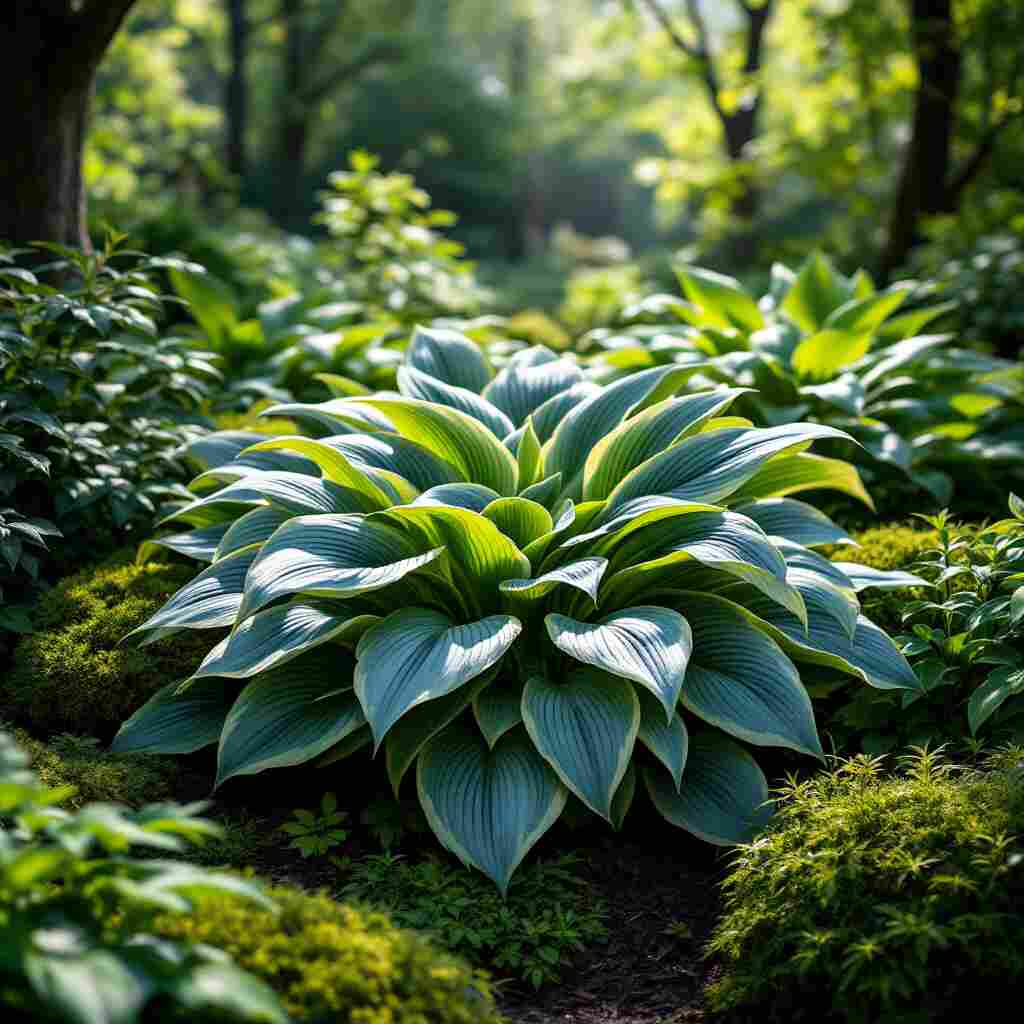
<p><span data-preserver-spaces="true">Hostas are like the unsung heroes of shade gardens, bringing elegance and lush greenery to spaces where sunlight is scarce. Known for their stunning foliage and adaptability, these perennial plants have become a favorite among gardeners looking to add texture and color to their shady landscapes.</span></p>
<p><span data-preserver-spaces="true">But choosing the right one can feel overwhelming with hundreds of hosta varieties available. Each variety thrives under specific shade conditions and offers unique size, leaf texture, and color characteristics.</span></p>
<h2><span data-preserver-spaces="true">Understanding Hostas and Their Appeal</span></h2>
<p><img class="aligncenter wp-image-5663 size-full" src="https://comeawayhome.co.uk/wp-content/uploads/2025/05/Understanding-Hostas-and-Their-Appeal.jpg" alt="hosta varieties" width="1024" height="1024" /></p>
<h3><span data-preserver-spaces="true">Origin and Botanical Background</span></h3>
<p><span data-preserver-spaces="true">Hostas, also known as </span><strong><span data-preserver-spaces="true">plantain lilies</span></strong><span data-preserver-spaces="true">, are native to Northeast Asia, particularly Japan, China, and Korea. Introduced to Europe in the 18th century, they have since gained worldwide popularity as a staple in gardening.</span></p>
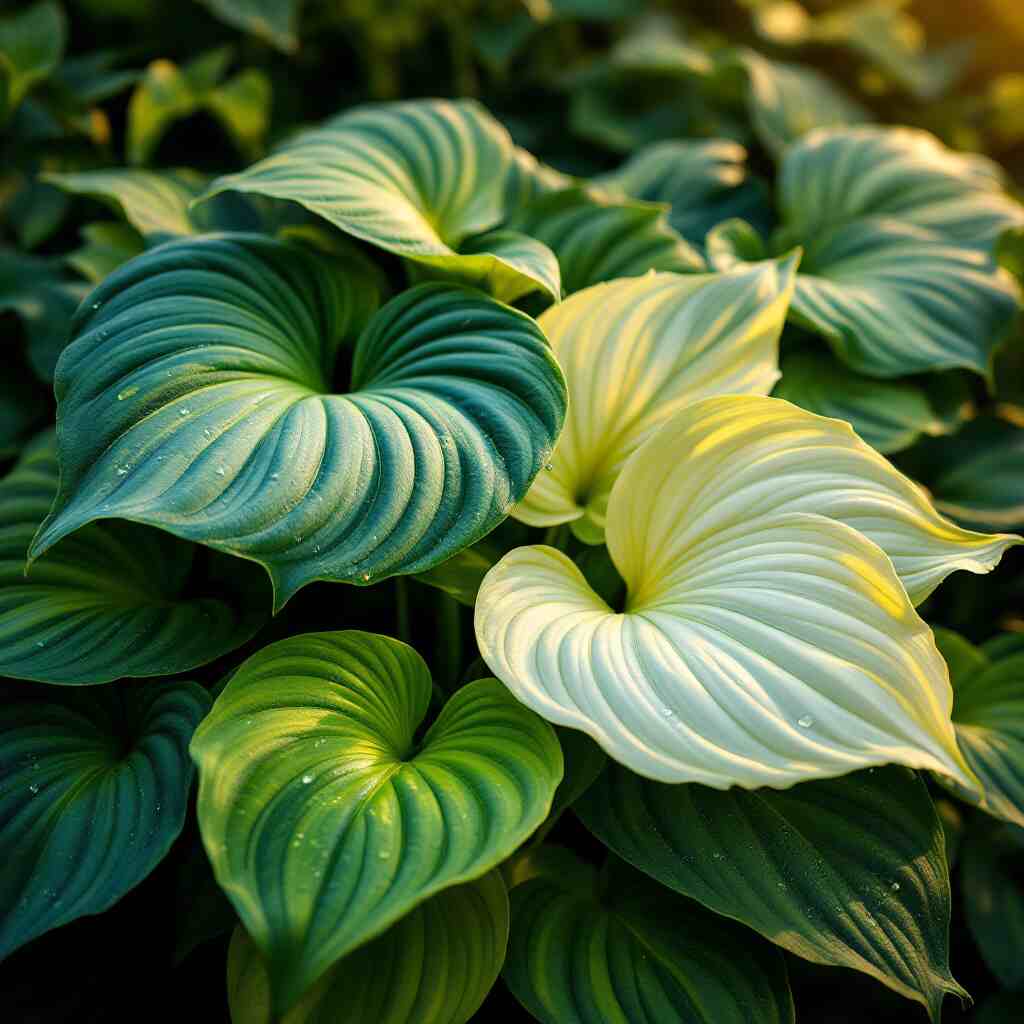
<p><span data-preserver-spaces="true">Hostas belong to the family Asparagaceae and are prized for their </span><strong><span data-preserver-spaces="true">rhizome-based growth</span></strong><span data-preserver-spaces="true">, which allows them to spread and thrive year after year. Unlike many flowering plants, hostas are grown primarily for their foliage, which ranges from heart-shaped to elongated leaves in various colors, textures, and patterns.</span></p>
<h3><span data-preserver-spaces="true">Key Characteristics of Hostas</span></h3>
<ul>
<li><strong><span data-preserver-spaces="true">Perennial Plants</span></strong><span data-preserver-spaces="true">: Hostas return year after year, making them a long-term investment for gardeners.</span></li>
<li><strong><span data-preserver-spaces="true">Shade-Loving</span></strong><span data-preserver-spaces="true">: These plants thrive in low-light areas, perfect for </span><strong><span data-preserver-spaces="true">shade gardens</span></strong><span data-preserver-spaces="true">.</span></li>
<li><strong><span data-preserver-spaces="true">Low Maintenance</span></strong><span data-preserver-spaces="true">: Hostas are forgiving plants, requiring minimal care once established.</span></li>
<li><strong><span data-preserver-spaces="true">Foliage Variety</span></strong><span data-preserver-spaces="true">: Their leaves come in shades of green, blue-green, yellow, and variegated patterns, adding visual interest to any garden.</span></li>
</ul>
<h3><span data-preserver-spaces="true">Why Hostas Are Ideal for Shade Gardens</span></h3>
<p><span data-preserver-spaces="true">Shade gardens can often feel dull without proper planning. Hostas solve this problem by offering </span><strong><span data-preserver-spaces="true">diverse foliage</span></strong><span data-preserver-spaces="true">, a variety of textures, and the ability to grow in different light conditions. Their adaptability and resilience make them a go-to for gardeners seeking vibrant greenery in shaded spaces.</span></p>
<h2><span data-preserver-spaces="true">Types of Shade and How They Affect Hosta Selection</span></h2>
<p><span data-preserver-spaces="true">Not all shade is created equal, and understanding shade categories is essential when choosing the right hosta varieties for your garden. Let’s break it down:</span></p>
<h3><span data-preserver-spaces="true">Types of Shade</span></h3>
<ol>
<li><strong><span data-preserver-spaces="true">Deep Shade</span></strong><span data-preserver-spaces="true">: Areas without direct sunlight, like spaces under large trees or north-facing walls.</span></li>
<li><strong><span data-preserver-spaces="true">Part Shade</span></strong><span data-preserver-spaces="true">: Locations that get a few hours of the morning or late afternoon sun but are shaded for the rest of the day.</span></li>
<li><strong><span data-preserver-spaces="true">Bright/Dappled Shade</span></strong><span data-preserver-spaces="true">: Areas where sunlight filters through tree canopies, creating a mix of light and shadow.</span></li>
</ol>
<h3><span data-preserver-spaces="true">How Shade Affects Hostas</span></h3>
<ul>
<li><strong><span data-preserver-spaces="true">Deep Shade</span></strong><span data-preserver-spaces="true">: Blue-green hostas like ‘Halcyon’ thrive here because their thick leaves tolerate low light.</span></li>
<li><strong><span data-preserver-spaces="true">Part Shade</span></strong><span data-preserver-spaces="true">: Variegated varieties like ‘Golden Tiara’ perform well, as they benefit from a few hours of sunlight to enhance their colors.</span></li>
<li><strong><span data-preserver-spaces="true">Bright Shade</span></strong><span data-preserver-spaces="true">: Hostas with bright yellow or creamy margins, such as ‘Liberty,’ shine in dappled light, where their colors stand out.</span></li>
</ul>
<h3><span data-preserver-spaces="true">Matching Leaf Colors and Textures to Shade Conditions</span></h3>
<p><span data-preserver-spaces="true">Hostas come in a stunning array of textures and colors. When designing your garden, consider pairing:</span></p>
<ul>
<li><span data-preserver-spaces="true">Blue-green varieties for a calming effect in darker corners.</span></li>
<li><span data-preserver-spaces="true">Variegated hostas to brighten up dimly lit areas.</span></li>
<li><span data-preserver-spaces="true">Large-leafed hostas for bold, dramatic statements.</span></li>
</ul>
<h2><span data-preserver-spaces="true">Most Popular Hosta Varieties for Shade Gardens</span></h2>
<h3><span data-preserver-spaces="true">Large Hostas</span></h3>
<p><span data-preserver-spaces="true">Large hostas make a bold impact in shade gardens. Their expansive leaves create a lush, tropical feel, even in temperate climates.</span></p>
<ul>
<li><strong><span data-preserver-spaces="true">Liberty</span></strong><span data-preserver-spaces="true">: Known for its dramatic yellow-to-creamy white margins, this hosta is a showstopper in any garden.</span></li>
<li><strong><span data-preserver-spaces="true">Victory</span></strong><span data-preserver-spaces="true">: With green leaves that develop creamy white margins over time, ‘Victory’ brings elegance and structure to shaded spaces.</span></li>
<li><strong><span data-preserver-spaces="true">Montana Aurumarginata</span></strong><span data-preserver-spaces="true">: One of the earliest varieties to emerge in spring, it features green leaves with striking yellow margins.</span></li>
</ul>
<h3><span data-preserver-spaces="true">Medium and Small Hostas</span></h3>
<p><span data-preserver-spaces="true">For smaller gardens or mixed plantings, medium and small hostas offer versatility without compromising beauty.</span></p>
<ul>
<li><strong><span data-preserver-spaces="true">First Frost</span></strong><span data-preserver-spaces="true">: This award-winning variety boasts blue-green leaves with creamy yellow margins, offering year-round interest.</span></li>
<li><strong><span data-preserver-spaces="true">Golden Tiara</span></strong><span data-preserver-spaces="true">: A compact hosta with heart-shaped leaves and golden yellow edges, perfect for borders.</span></li>
<li><strong><span data-preserver-spaces="true">Stained Glass</span></strong><span data-preserver-spaces="true">: Loved for its vibrant, variegated leaves, this variety is a great focal point in any garden.</span></li>
</ul>
<h3><span data-preserver-spaces="true">Variegated Leaf Varieties</span></h3>
<p><span data-preserver-spaces="true">Variegated hostas are popular for their ability to add brightness and contrast to shaded areas. Their striking leaves often feature combinations of green, yellow, and white.</span></p>
<ul>
<li><span data-preserver-spaces="true">Examples include </span><strong><span data-preserver-spaces="true">‘Patriot’</span></strong><span data-preserver-spaces="true"> and </span><strong><span data-preserver-spaces="true">‘Wide Brim,’</span></strong><span data-preserver-spaces="true"> which thrive in deep and part shade.</span></li>
</ul>
<h3><span data-preserver-spaces="true">Blue-Green Leaf Varieties</span></h3>
<p><span data-preserver-spaces="true">Blue-green hostas are ideal for deep shade. Their waxy leaves tolerate low light and provide a serene, calming effect.</span></p>
<ul>
<li><span data-preserver-spaces="true">Popular options include </span><strong><span data-preserver-spaces="true">‘Halcyon’</span></strong><span data-preserver-spaces="true"> and </span><strong><span data-preserver-spaces="true">‘Blue Angel.’</span></strong></li>
</ul>
<h2><span data-preserver-spaces="true">Sun-Tolerant Hosta Varieties for Partial Shade</span></h2>
<p><span data-preserver-spaces="true">While most hostas love shade, some varieties can handle a bit more sunlight. These </span><strong><span data-preserver-spaces="true">sun-tolerant hostas</span></strong><span data-preserver-spaces="true"> are perfect for gardens with partial shade or morning sun.</span></p>
<h3><span data-preserver-spaces="true">Popular Sun-Tolerant Hostas</span></h3>
<ul>
<li><strong><span data-preserver-spaces="true">Halcyon</span></strong><span data-preserver-spaces="true">: A blue hosta with thick leaves that tolerate more sunlight than most.</span></li>
<li><strong><span data-preserver-spaces="true">August Moon</span></strong><span data-preserver-spaces="true">: Bright golden foliage that thrives in partial sun.</span></li>
<li><strong><span data-preserver-spaces="true">Sum & Substance</span></strong><span data-preserver-spaces="true">: A gigantic variety with chartreuse leaves that can handle partial sun.</span></li>
<li><strong><span data-preserver-spaces="true">Big Daddy</span></strong><span data-preserver-spaces="true">: Known for its large, corrugated blue-green leaves.</span></li>
</ul>
<h3><span data-preserver-spaces="true">Characteristics of Sun-Tolerant Varieties</span></h3>
<p><span data-preserver-spaces="true">Sun-tolerant hostas tend to have:</span></p>
<ul>
<li><strong><span data-preserver-spaces="true">Thicker Leaves</span></strong><span data-preserver-spaces="true">: This helps them retain moisture and resist sunburn.</span></li>
<li><strong><span data-preserver-spaces="true">Larger Root Mass</span></strong><span data-preserver-spaces="true">: Better equipped to absorb water and nutrients in sunnier conditions.</span></li>
</ul>
<h2><span data-preserver-spaces="true">Design Ideas for Incorporating Hostas in Shade Gardens</span></h2>
<h3><span data-preserver-spaces="true">Creating Texture and Contrast</span></h3>
<p><span data-preserver-spaces="true">Hostas are a fantastic way to add texture and contrast to shade gardens. Pair varieties with different leaf sizes, shapes, and colors to create visual interest.</span></p>
<h3><span data-preserver-spaces="true">Combining Hostas with Companion Plants</span></h3>
<p><span data-preserver-spaces="true">Hostas pair beautifully with other shade-loving plants like:</span></p>
<ul>
<li><strong><span data-preserver-spaces="true">Ferns</span></strong><span data-preserver-spaces="true">: Their delicate fronds contrast well with hostas’ bold leaves.</span></li>
<li><strong><span data-preserver-spaces="true">Astilbes</span></strong><span data-preserver-spaces="true">: Add a pop of color with their feathery blooms.</span></li>
<li><strong><span data-preserver-spaces="true">Heucheras (Coral Bells)</span></strong><span data-preserver-spaces="true">: Complement hostas with their vibrant foliage.</span></li>
</ul>
<h2><span data-preserver-spaces="true">Care Tips for Growing Hostas Successfully</span></h2>
<h3><span data-preserver-spaces="true">Soil and Water Needs</span></h3>
<ul>
<li><span data-preserver-spaces="true">Hostas prefer </span><strong><span data-preserver-spaces="true">moist, well-drained soil</span></strong><span data-preserver-spaces="true"> rich in organic matter.</span></li>
<li><span data-preserver-spaces="true">Keep the soil consistently moist, but avoid waterlogging.</span></li>
</ul>
<h3><span data-preserver-spaces="true">Pest and Disease Management</span></h3>
<ul>
<li><strong><span data-preserver-spaces="true">Slugs and snails</span></strong><span data-preserver-spaces="true"> are common pests; use organic slug repellents or traps.</span></li>
<li><span data-preserver-spaces="true">Watch for </span><strong><span data-preserver-spaces="true">crown rot</span></strong><span data-preserver-spaces="true"> in overly wet conditions.</span></li>
</ul>
<h3><span data-preserver-spaces="true">Seasonal Maintenance</span></h3>
<ul>
<li><span data-preserver-spaces="true">Mulch around the plants to retain moisture and regulate soil temperature.</span></li>
<li><span data-preserver-spaces="true">Divide large clumps every 3–5 years to promote healthy growth.</span></li>
</ul>
<h2><span data-preserver-spaces="true">Where to Buy Popular Hosta Varieties</span></h2>
<h3><span data-preserver-spaces="true">Recommended Sources</span></h3>
<ul>
<li><strong><span data-preserver-spaces="true">Local Nurseries</span></strong><span data-preserver-spaces="true">: Support local businesses and check for regionally adapted varieties.</span></li>
<li><strong><span data-preserver-spaces="true">Online Stores</span></strong><span data-preserver-spaces="true">: Reputable websites like Proven Winners and Breck’s offer a wide selection.</span></li>
</ul>
<h3><span data-preserver-spaces="true">Tips for Choosing Healthy Plants</span></h3>
<ul>
<li><span data-preserver-spaces="true">Look for plants with </span><strong><span data-preserver-spaces="true">healthy roots</span></strong><span data-preserver-spaces="true"> and no signs of pests or disease.</span></li>
<li><span data-preserver-spaces="true">Choose varieties suited to your garden’s specific shade conditions.</span></li>
</ul>
<h2><span data-preserver-spaces="true">Conclusion</span></h2>
<p><span data-preserver-spaces="true">Hostas are a versatile and rewarding choice for shade gardens. With so many stunning varieties, you will surely find options that suit your garden’s unique conditions. Whether you prefer bold, large-leafed varieties or delicate variegated types, hostas offer endless possibilities for creating lush, beautiful landscapes.</span></p>
<p>You may also read <a href="https://comeawayhome.co.uk/sustainable-outdoor-plant-stand-2025-trendy-designs-for-stylish-space-saving-gardens/">(sustainable outdoor plant stand 2025 trendy designs for stylish space saving gardens)</a></p>
Hostas are like the unsung heroes of shade gardens, bringing elegance and lush greenery to spaces where sunlight is scarce. Known for their stunning foliage and adaptability, these perennial plants have become a favorite among gardeners looking to add texture and color to their shady landscapes.
But choosing the right one can feel overwhelming with hundreds of hosta varieties available. Each variety thrives under specific shade conditions and offers unique size, leaf texture, and color characteristics.
Understanding Hostas and Their Appeal
Origin and Botanical Background
Hostas, also known as plantain lilies, are native to Northeast Asia, particularly Japan, China, and Korea. Introduced to Europe in the 18th century, they have since gained worldwide popularity as a staple in gardening.
Hostas belong to the family Asparagaceae and are prized for their rhizome-based growth, which allows them to spread and thrive year after year. Unlike many flowering plants, hostas are grown primarily for their foliage, which ranges from heart-shaped to elongated leaves in various colors, textures, and patterns.
Key Characteristics of Hostas
- Perennial Plants: Hostas return year after year, making them a long-term investment for gardeners.
- Shade-Loving: These plants thrive in low-light areas, perfect for shade gardens.
- Low Maintenance: Hostas are forgiving plants, requiring minimal care once established.
- Foliage Variety: Their leaves come in shades of green, blue-green, yellow, and variegated patterns, adding visual interest to any garden.
Why Hostas Are Ideal for Shade Gardens
Shade gardens can often feel dull without proper planning. Hostas solve this problem by offering diverse foliage, a variety of textures, and the ability to grow in different light conditions. Their adaptability and resilience make them a go-to for gardeners seeking vibrant greenery in shaded spaces.
Types of Shade and How They Affect Hosta Selection
Not all shade is created equal, and understanding shade categories is essential when choosing the right hosta varieties for your garden. Let’s break it down:
Types of Shade
- Deep Shade: Areas without direct sunlight, like spaces under large trees or north-facing walls.
- Part Shade: Locations that get a few hours of the morning or late afternoon sun but are shaded for the rest of the day.
- Bright/Dappled Shade: Areas where sunlight filters through tree canopies, creating a mix of light and shadow.
How Shade Affects Hostas
- Deep Shade: Blue-green hostas like ‘Halcyon’ thrive here because their thick leaves tolerate low light.
- Part Shade: Variegated varieties like ‘Golden Tiara’ perform well, as they benefit from a few hours of sunlight to enhance their colors.
- Bright Shade: Hostas with bright yellow or creamy margins, such as ‘Liberty,’ shine in dappled light, where their colors stand out.
Matching Leaf Colors and Textures to Shade Conditions
Hostas come in a stunning array of textures and colors. When designing your garden, consider pairing:
- Blue-green varieties for a calming effect in darker corners.
- Variegated hostas to brighten up dimly lit areas.
- Large-leafed hostas for bold, dramatic statements.
Most Popular Hosta Varieties for Shade Gardens
Large Hostas
Large hostas make a bold impact in shade gardens. Their expansive leaves create a lush, tropical feel, even in temperate climates.
- Liberty: Known for its dramatic yellow-to-creamy white margins, this hosta is a showstopper in any garden.
- Victory: With green leaves that develop creamy white margins over time, ‘Victory’ brings elegance and structure to shaded spaces.
- Montana Aurumarginata: One of the earliest varieties to emerge in spring, it features green leaves with striking yellow margins.
Medium and Small Hostas
For smaller gardens or mixed plantings, medium and small hostas offer versatility without compromising beauty.
- First Frost: This award-winning variety boasts blue-green leaves with creamy yellow margins, offering year-round interest.
- Golden Tiara: A compact hosta with heart-shaped leaves and golden yellow edges, perfect for borders.
- Stained Glass: Loved for its vibrant, variegated leaves, this variety is a great focal point in any garden.
Variegated Leaf Varieties
Variegated hostas are popular for their ability to add brightness and contrast to shaded areas. Their striking leaves often feature combinations of green, yellow, and white.
- Examples include ‘Patriot’ and ‘Wide Brim,’ which thrive in deep and part shade.
Blue-Green Leaf Varieties
Blue-green hostas are ideal for deep shade. Their waxy leaves tolerate low light and provide a serene, calming effect.
- Popular options include ‘Halcyon’ and ‘Blue Angel.’
Sun-Tolerant Hosta Varieties for Partial Shade
While most hostas love shade, some varieties can handle a bit more sunlight. These sun-tolerant hostas are perfect for gardens with partial shade or morning sun.
Popular Sun-Tolerant Hostas
- Halcyon: A blue hosta with thick leaves that tolerate more sunlight than most.
- August Moon: Bright golden foliage that thrives in partial sun.
- Sum & Substance: A gigantic variety with chartreuse leaves that can handle partial sun.
- Big Daddy: Known for its large, corrugated blue-green leaves.
Characteristics of Sun-Tolerant Varieties
Sun-tolerant hostas tend to have:
- Thicker Leaves: This helps them retain moisture and resist sunburn.
- Larger Root Mass: Better equipped to absorb water and nutrients in sunnier conditions.
Design Ideas for Incorporating Hostas in Shade Gardens
Creating Texture and Contrast
Hostas are a fantastic way to add texture and contrast to shade gardens. Pair varieties with different leaf sizes, shapes, and colors to create visual interest.
Combining Hostas with Companion Plants
Hostas pair beautifully with other shade-loving plants like:
- Ferns: Their delicate fronds contrast well with hostas’ bold leaves.
- Astilbes: Add a pop of color with their feathery blooms.
- Heucheras (Coral Bells): Complement hostas with their vibrant foliage.
Care Tips for Growing Hostas Successfully
Soil and Water Needs
- Hostas prefer moist, well-drained soil rich in organic matter.
- Keep the soil consistently moist, but avoid waterlogging.
Pest and Disease Management
- Slugs and snails are common pests; use organic slug repellents or traps.
- Watch for crown rot in overly wet conditions.
Seasonal Maintenance
- Mulch around the plants to retain moisture and regulate soil temperature.
- Divide large clumps every 3–5 years to promote healthy growth.
Where to Buy Popular Hosta Varieties
Recommended Sources
- Local Nurseries: Support local businesses and check for regionally adapted varieties.
- Online Stores: Reputable websites like Proven Winners and Breck’s offer a wide selection.
Tips for Choosing Healthy Plants
- Look for plants with healthy roots and no signs of pests or disease.
- Choose varieties suited to your garden’s specific shade conditions.
Conclusion
Hostas are a versatile and rewarding choice for shade gardens. With so many stunning varieties, you will surely find options that suit your garden’s unique conditions. Whether you prefer bold, large-leafed varieties or delicate variegated types, hostas offer endless possibilities for creating lush, beautiful landscapes.
You may also read (sustainable outdoor plant stand 2025 trendy designs for stylish space saving gardens)