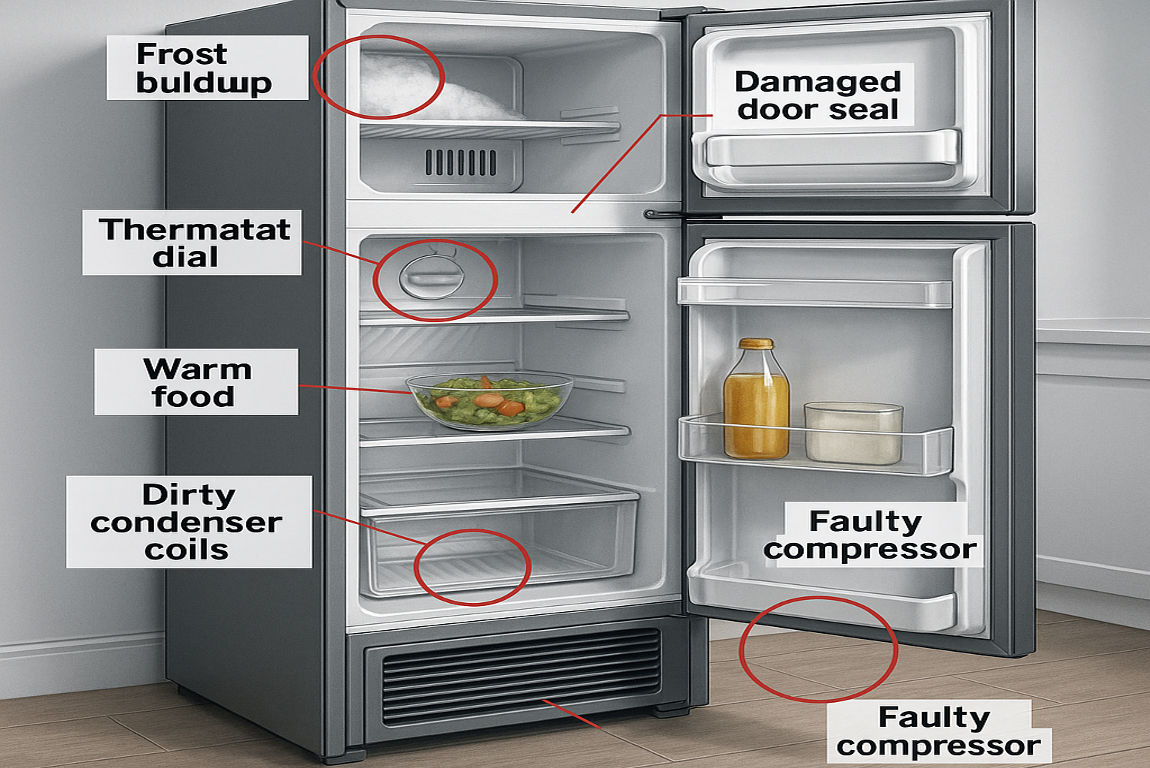
<p><span data-preserver-spaces="true">Refrigerators are one of the most essential appliances in our homes. They keep our food fresh, beverages cold, and leftovers safe to eat. But what happens when your </span><strong><span data-preserver-spaces="true">refrigerator is not cooling</span></strong><span data-preserver-spaces="true">? It can quickly turn into a frustrating and costly problem. Food spoils, drink warm up, and you’re left scrambling to figure out what went wrong.</span></p>
<h2><span data-preserver-spaces="true">How Refrigerators Work: A Quick Overview</span></h2>
<p><img class="aligncenter wp-image-5839 size-full" src="https://comeawayhome.co.uk/wp-content/uploads/2025/06/How-Refrigerators-Wo._imresizer.jpg" alt="refrigerator not cooling" width="1150" height="768" /></p>
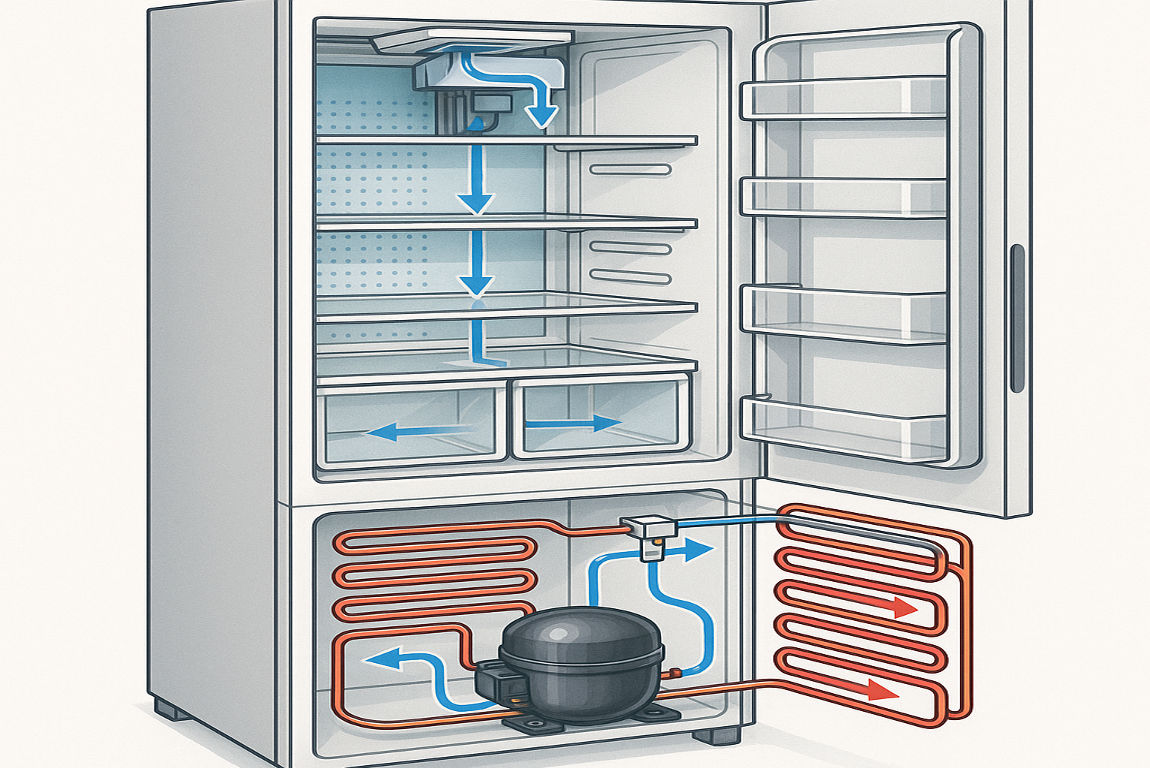
<p><span data-preserver-spaces="true">Before we jump into the specific issues, it’s helpful to understand how a refrigerator works. This knowledge will make it easier to identify the potential cause of the cooling problem.</span></p>
<h3><span data-preserver-spaces="true">The Cooling Mechanism</span></h3>
<p><span data-preserver-spaces="true">Refrigerators rely on a few key components to keep your food cold:</span></p>
<ol>
<li><strong><span data-preserver-spaces="true">Compressor</span></strong><span data-preserver-spaces="true">: At the heart of the cooling system, the compressor circulates refrigerant (a cooling fluid) through the system.</span></li>
<li><strong><span data-preserver-spaces="true">Refrigerant</span></strong><span data-preserver-spaces="true">: This fluid absorbs heat from inside the fridge and releases it outside.</span></li>
<li><strong><span data-preserver-spaces="true">Condenser Coils</span></strong><span data-preserver-spaces="true">: These coils release the heat absorbed by the refrigerant.</span></li>
<li><strong><span data-preserver-spaces="true">Evaporator Coils</span></strong><span data-preserver-spaces="true">: Located inside the refrigerator, these coils cool the air by absorbing heat from it.</span></li>
<li><strong><span data-preserver-spaces="true">Thermostat</span></strong><span data-preserver-spaces="true">: This controls the temperature by regulating the compressor and fans.</span></li>
</ol>
<p><span data-preserver-spaces="true">When any of these components fail or malfunction, your refrigerator may stop cooling properly. Now that you know the basics, let’s explore the most common reasons for cooling issues and how to fix them.</span></p>
<h2><span data-preserver-spaces="true">Top 7 Reasons Your Refrigerator Is Not Cooling (And How to Fix Them)</span></h2>
<h3><span data-preserver-spaces="true">Dirty Condenser Coils</span></h3>
<p><strong><span data-preserver-spaces="true">What’s the problem?</span></strong></p>
<p><span data-preserver-spaces="true">The condenser coils, usually located at the back or bottom of your refrigerator, are responsible for releasing heat. Over time, these coils can become clogged with dust, dirt, and debris, reducing their efficiency. When the coils can’t release heat properly, the refrigerator struggles to cool.</span></p>
<p><strong><span data-preserver-spaces="true">Symptoms of dirty coils:</span></strong></p>
<ul>
<li><span data-preserver-spaces="true">The fridge feels warm inside.</span></li>
<li><span data-preserver-spaces="true">The compressor runs constantly.</span></li>
<li><span data-preserver-spaces="true">The back of the refrigerator feels unusually hot.</span></li>
</ul>
<p><strong><span data-preserver-spaces="true">How to fix it:</span></strong></p>
<ol>
<li><span data-preserver-spaces="true">Unplug the refrigerator for safety.</span></li>
<li><span data-preserver-spaces="true">Locate the condenser coils (check your user manual if unsure).</span></li>
<li><span data-preserver-spaces="true">Use a vacuum cleaner or a coil cleaning brush to remove dust and debris from the coils.</span></li>
<li><span data-preserver-spaces="true">Wipe the area with a damp cloth to remove any remaining dirt.</span></li>
<li><span data-preserver-spaces="true">Plug the fridge back in and monitor its cooling performance.</span></li>
</ol>
<p><strong><span data-preserver-spaces="true">Prevention tip:</span></strong><span data-preserver-spaces="true"> Clean the condenser coils every 6-12 months to maintain optimal performance.</span></p>
<h3><span data-preserver-spaces="true">Faulty Evaporator Fan</span></h3>
<p><strong><span data-preserver-spaces="true">What’s the problem?</span></strong></p>
<p><span data-preserver-spaces="true">The evaporator fan circulates cold air from the evaporator coils throughout the refrigerator. If the fan is faulty or not working, the cold air won’t reach the fridge or freezer compartments.</span></p>
<p><strong><span data-preserver-spaces="true">Symptoms of a faulty fan:</span></strong></p>
<ul>
<li><span data-preserver-spaces="true">The freezer is cold, but the fridge is warm.</span></li>
<li><span data-preserver-spaces="true">You hear unusual noises coming from the refrigerator.</span></li>
<li><span data-preserver-spaces="true">The fan doesn’t spin when the door is closed.</span></li>
</ul>
<p><strong><span data-preserver-spaces="true">How to fix it:</span></strong></p>
<ol>
<li><span data-preserver-spaces="true">Unplug the refrigerator.</span></li>
<li><span data-preserver-spaces="true">Locate the evaporator fan (usually behind the back panel of the freezer).</span></li>
<li><span data-preserver-spaces="true">Check for obstructions or ice buildup around the fan.</span></li>
<li><span data-preserver-spaces="true">If the fan motor is not working, replace it with a new one (consult your user manual for part details).</span></li>
</ol>
<p><strong><span data-preserver-spaces="true">Pro tip:</span></strong><span data-preserver-spaces="true"> Regularly check for ice buildup in the freezer to prevent fan issues.</span></p>
<h3><span data-preserver-spaces="true">Defective Thermostat</span></h3>
<p><strong><span data-preserver-spaces="true">What’s the problem?</span></strong></p>
<p><span data-preserver-spaces="true">The thermostat controls the temperature inside your refrigerator. If it’s defective, the fridge may not cool properly or may stop cooling altogether.</span></p>
<p><strong><span data-preserver-spaces="true">Symptoms of a defective thermostat:</span></strong></p>
<ul>
<li><span data-preserver-spaces="true">The fridge doesn’t turn on or off as expected.</span></li>
<li><span data-preserver-spaces="true">The temperature inside the refrigerator is inconsistent.</span></li>
<li><span data-preserver-spaces="true">The thermostat dial feels loose or unresponsive.</span></li>
</ul>
<p><strong><span data-preserver-spaces="true">How to fix it:</span></strong></p>
<ol>
<li><span data-preserver-spaces="true">Test the thermostat by turning it to the coldest setting. Listen for a clicking sound, which indicates it’s working.</span></li>
<li><span data-preserver-spaces="true">If there’s no sound, use a multimeter to check for continuity.</span></li>
<li><span data-preserver-spaces="true">Replace the thermostat if it’s not functioning correctly.</span></li>
</ol>
<p><strong><span data-preserver-spaces="true">Quick tip:</span></strong><span data-preserver-spaces="true"> Always set the thermostat to the recommended temperature (around 37°F for the fridge and 0°F for the freezer).</span></p>
<h3><span data-preserver-spaces="true">Blocked or Frozen Vents</span></h3>
<p><strong><span data-preserver-spaces="true">What’s the problem?</span></strong></p>
<p><span data-preserver-spaces="true">Refrigerators rely on vents to circulate cold air between the freezer and fridge compartments. If these vents are blocked by food or frozen over, the airflow is restricted, leading to cooling issues.</span></p>
<p><strong><span data-preserver-spaces="true">Symptoms of blocked vents:</span></strong></p>
<ul>
<li><span data-preserver-spaces="true">There is no cooling inside the fridge.</span></li>
<li><span data-preserver-spaces="true">Frost buildup around the vents.</span></li>
<li><span data-preserver-spaces="true">The fridge feels warm despite the freezer being cold.</span></li>
</ul>
<p><strong><span data-preserver-spaces="true">How to fix it:</span></strong></p>
<ol>
<li><span data-preserver-spaces="true">Check for items blocking the vents and rearrange the contents of your fridge.</span></li>
<li><span data-preserver-spaces="true">If the vents are frozen, unplug the refrigerator and let it defrost for a few hours.</span></li>
<li><span data-preserver-spaces="true">Clean the vents with a soft cloth to remove any debris.</span></li>
</ol>
<p><strong><span data-preserver-spaces="true">Prevention tip:</span></strong><span data-preserver-spaces="true"> Avoid overloading your fridge to ensure proper airflow.</span></p>
<h3><span data-preserver-spaces="true">Door Seal Problems</span></h3>
<p><strong><span data-preserver-spaces="true">What’s the problem?</span></strong></p>
<p><span data-preserver-spaces="true">The door seals (gaskets) create an airtight seal to keep cold air inside the fridge. If the seals are damaged, loose, or dirty, cold air can escape, making it harder for the refrigerator to maintain the desired temperature.</span></p>
<p><strong><span data-preserver-spaces="true">Symptoms of door seal problems:</span></strong></p>
<ul>
<li><span data-preserver-spaces="true">The fridge door doesn’t close tightly.</span></li>
<li><span data-preserver-spaces="true">You feel cold air escaping around the door.</span></li>
<li><span data-preserver-spaces="true">The seals appear cracked, torn, or dirty.</span></li>
</ul>
<p><strong><span data-preserver-spaces="true">How to fix it:</span></strong></p>
<ol>
<li><span data-preserver-spaces="true">Inspect the seals for damage or dirt.</span></li>
<li><span data-preserver-spaces="true">Clean the seals with warm, soapy water and a soft cloth.</span></li>
<li><span data-preserver-spaces="true">If the seals are damaged, replace them with new ones (available at most appliance stores).</span></li>
</ol>
<p><strong><span data-preserver-spaces="true">Pro tip:</span></strong><span data-preserver-spaces="true"> Test the seal by closing the door on a piece of paper. If you can pull the paper out easily, the seal needs attention.</span></p>
<h3><span data-preserver-spaces="true">Low Refrigerant Levels</span></h3>
<p><strong><span data-preserver-spaces="true">What’s the problem?</span></strong></p>
<p><span data-preserver-spaces="true">Refrigerant is the fluid that absorbs heat and keeps your fridge cool. If the refrigerant levels are low due to a leak, the cooling process will be compromised.</span></p>
<p><strong><span data-preserver-spaces="true">Symptoms of low refrigerant:</span></strong></p>
<ul>
<li><span data-preserver-spaces="true">The fridge is warm, but the compressor runs constantly.</span></li>
<li><span data-preserver-spaces="true">You hear a hissing or bubbling sound.</span></li>
<li><span data-preserver-spaces="true">Frost buildup on the evaporator coils.</span></li>
</ul>
<p><strong><span data-preserver-spaces="true">How to fix it:</span></strong></p>
<p><span data-preserver-spaces="true">Unfortunately, refrigerant issues require professional repair. A technician will locate and repair the leak and then recharge the refrigerant.</span></p>
<p><strong><span data-preserver-spaces="true">A quick tip:</span></strong><span data-preserver-spaces="true"> If you suspect a refrigerant problem, avoid DIY fixes and call a professional immediately.</span></p>
<h3><span data-preserver-spaces="true">Malfunctioning Compressor</span></h3>
<p><strong><span data-preserver-spaces="true">What’s the problem?</span></strong></p>
<p><span data-preserver-spaces="true">The compressor is the engine of your refrigerator’s cooling system. If it’s not working, the fridge won’t cool at all.</span></p>
<p><strong><span data-preserver-spaces="true">Symptoms of a malfunctioning compressor:</span></strong></p>
<ul>
<li><span data-preserver-spaces="true">The fridge is completely warm.</span></li>
<li><span data-preserver-spaces="true">The compressor makes clicking or humming noises.</span></li>
<li><span data-preserver-spaces="true">The compressor doesn’t turn on.</span></li>
</ul>
<p><strong><span data-preserver-spaces="true">How to fix it:</span></strong></p>
<ol>
<li><span data-preserver-spaces="true">Check if the compressor is receiving power.</span></li>
<li><span data-preserver-spaces="true">If the compressor is faulty, it will need to be replaced by a professional.</span></li>
</ol>
<p><strong><span data-preserver-spaces="true">Pro tip:</span></strong><span data-preserver-spaces="true"> Regular maintenance can extend the life of your compressor.</span></p>
<h2><span data-preserver-spaces="true">Additional Quick Tips to Improve Refrigerator Cooling</span></h2>
<ul>
<li><strong><span data-preserver-spaces="true">Don’t overload your fridge:</span></strong><span data-preserver-spaces="true"> Overpacking can block airflow and reduce cooling efficiency.</span></li>
<li><strong><span data-preserver-spaces="true">Set the right temperature:</span></strong><span data-preserver-spaces="true"> Keep the refrigerator at 37°F and the freezer at 0°F.</span></li>
<li><strong><span data-preserver-spaces="true">Clean regularly:</span></strong><span data-preserver-spaces="true"> Wipe down the interior and exterior to prevent dirt buildup.</span></li>
<li><strong><span data-preserver-spaces="true">Avoid frequent door openings:</span></strong><span data-preserver-spaces="true"> This helps maintain a consistent temperature.</span></li>
</ul>
<h2><span data-preserver-spaces="true">When to Call a Professional</span></h2>
<p><span data-preserver-spaces="true">While many refrigerator cooling issues can be fixed at home, some problems require expert attention. Call a professional if:</span></p>
<ul>
<li><span data-preserver-spaces="true">You suspect a refrigerant leak.</span></li>
<li><span data-preserver-spaces="true">The compressor needs replacement.</span></li>
<li><span data-preserver-spaces="true">The issue persists despite troubleshooting.</span></li>
</ul>
<p><span data-preserver-spaces="true">When selecting a repair service, look for licensed technicians, read reviews, and inquire about the warranty.</span></p>
<h2><span data-preserver-spaces="true">Conclusion</span></h2>
<p><span data-preserver-spaces="true">A </span><strong><span data-preserver-spaces="true">refrigerator not cooling</span></strong><span data-preserver-spaces="true"> can be a significant inconvenience, but with the proper knowledge, you can often fix the problem yourself. From cleaning condenser coils to inspecting door seals, these simple steps can help you save time and money. However, don’t hesitate to call a professional for more complex issues.</span></p>
<p>You may also read (<a href="https://comeawayhome.co.uk/top-10-best-floor-fans-in-2025-for-ultimate-home-cooling/">top 10 best floor fans in 2025 for ultimate home cooling</a>).</p>
Refrigerators are one of the most essential appliances in our homes. They keep our food fresh, beverages cold, and leftovers safe to eat. But what happens when your refrigerator is not cooling? It can quickly turn into a frustrating and costly problem. Food spoils, drink warm up, and you’re left scrambling to figure out what went wrong.
How Refrigerators Work: A Quick Overview
Before we jump into the specific issues, it’s helpful to understand how a refrigerator works. This knowledge will make it easier to identify the potential cause of the cooling problem.
The Cooling Mechanism
Refrigerators rely on a few key components to keep your food cold:
- Compressor: At the heart of the cooling system, the compressor circulates refrigerant (a cooling fluid) through the system.
- Refrigerant: This fluid absorbs heat from inside the fridge and releases it outside.
- Condenser Coils: These coils release the heat absorbed by the refrigerant.
- Evaporator Coils: Located inside the refrigerator, these coils cool the air by absorbing heat from it.
- Thermostat: This controls the temperature by regulating the compressor and fans.
When any of these components fail or malfunction, your refrigerator may stop cooling properly. Now that you know the basics, let’s explore the most common reasons for cooling issues and how to fix them.
Top 7 Reasons Your Refrigerator Is Not Cooling (And How to Fix Them)
Dirty Condenser Coils
What’s the problem?
The condenser coils, usually located at the back or bottom of your refrigerator, are responsible for releasing heat. Over time, these coils can become clogged with dust, dirt, and debris, reducing their efficiency. When the coils can’t release heat properly, the refrigerator struggles to cool.
Symptoms of dirty coils:
- The fridge feels warm inside.
- The compressor runs constantly.
- The back of the refrigerator feels unusually hot.
How to fix it:
- Unplug the refrigerator for safety.
- Locate the condenser coils (check your user manual if unsure).
- Use a vacuum cleaner or a coil cleaning brush to remove dust and debris from the coils.
- Wipe the area with a damp cloth to remove any remaining dirt.
- Plug the fridge back in and monitor its cooling performance.
Prevention tip: Clean the condenser coils every 6-12 months to maintain optimal performance.
Faulty Evaporator Fan
What’s the problem?
The evaporator fan circulates cold air from the evaporator coils throughout the refrigerator. If the fan is faulty or not working, the cold air won’t reach the fridge or freezer compartments.
Symptoms of a faulty fan:
- The freezer is cold, but the fridge is warm.
- You hear unusual noises coming from the refrigerator.
- The fan doesn’t spin when the door is closed.
How to fix it:
- Unplug the refrigerator.
- Locate the evaporator fan (usually behind the back panel of the freezer).
- Check for obstructions or ice buildup around the fan.
- If the fan motor is not working, replace it with a new one (consult your user manual for part details).
Pro tip: Regularly check for ice buildup in the freezer to prevent fan issues.
Defective Thermostat
What’s the problem?
The thermostat controls the temperature inside your refrigerator. If it’s defective, the fridge may not cool properly or may stop cooling altogether.
Symptoms of a defective thermostat:
- The fridge doesn’t turn on or off as expected.
- The temperature inside the refrigerator is inconsistent.
- The thermostat dial feels loose or unresponsive.
How to fix it:
- Test the thermostat by turning it to the coldest setting. Listen for a clicking sound, which indicates it’s working.
- If there’s no sound, use a multimeter to check for continuity.
- Replace the thermostat if it’s not functioning correctly.
Quick tip: Always set the thermostat to the recommended temperature (around 37°F for the fridge and 0°F for the freezer).
Blocked or Frozen Vents
What’s the problem?
Refrigerators rely on vents to circulate cold air between the freezer and fridge compartments. If these vents are blocked by food or frozen over, the airflow is restricted, leading to cooling issues.
Symptoms of blocked vents:
- There is no cooling inside the fridge.
- Frost buildup around the vents.
- The fridge feels warm despite the freezer being cold.
How to fix it:
- Check for items blocking the vents and rearrange the contents of your fridge.
- If the vents are frozen, unplug the refrigerator and let it defrost for a few hours.
- Clean the vents with a soft cloth to remove any debris.
Prevention tip: Avoid overloading your fridge to ensure proper airflow.
Door Seal Problems
What’s the problem?
The door seals (gaskets) create an airtight seal to keep cold air inside the fridge. If the seals are damaged, loose, or dirty, cold air can escape, making it harder for the refrigerator to maintain the desired temperature.
Symptoms of door seal problems:
- The fridge door doesn’t close tightly.
- You feel cold air escaping around the door.
- The seals appear cracked, torn, or dirty.
How to fix it:
- Inspect the seals for damage or dirt.
- Clean the seals with warm, soapy water and a soft cloth.
- If the seals are damaged, replace them with new ones (available at most appliance stores).
Pro tip: Test the seal by closing the door on a piece of paper. If you can pull the paper out easily, the seal needs attention.
Low Refrigerant Levels
What’s the problem?
Refrigerant is the fluid that absorbs heat and keeps your fridge cool. If the refrigerant levels are low due to a leak, the cooling process will be compromised.
Symptoms of low refrigerant:
- The fridge is warm, but the compressor runs constantly.
- You hear a hissing or bubbling sound.
- Frost buildup on the evaporator coils.
How to fix it:
Unfortunately, refrigerant issues require professional repair. A technician will locate and repair the leak and then recharge the refrigerant.
A quick tip: If you suspect a refrigerant problem, avoid DIY fixes and call a professional immediately.
Malfunctioning Compressor
What’s the problem?
The compressor is the engine of your refrigerator’s cooling system. If it’s not working, the fridge won’t cool at all.
Symptoms of a malfunctioning compressor:
- The fridge is completely warm.
- The compressor makes clicking or humming noises.
- The compressor doesn’t turn on.
How to fix it:
- Check if the compressor is receiving power.
- If the compressor is faulty, it will need to be replaced by a professional.
Pro tip: Regular maintenance can extend the life of your compressor.
Additional Quick Tips to Improve Refrigerator Cooling
- Don’t overload your fridge: Overpacking can block airflow and reduce cooling efficiency.
- Set the right temperature: Keep the refrigerator at 37°F and the freezer at 0°F.
- Clean regularly: Wipe down the interior and exterior to prevent dirt buildup.
- Avoid frequent door openings: This helps maintain a consistent temperature.
When to Call a Professional
While many refrigerator cooling issues can be fixed at home, some problems require expert attention. Call a professional if:
- You suspect a refrigerant leak.
- The compressor needs replacement.
- The issue persists despite troubleshooting.
When selecting a repair service, look for licensed technicians, read reviews, and inquire about the warranty.
Conclusion
A refrigerator not cooling can be a significant inconvenience, but with the proper knowledge, you can often fix the problem yourself. From cleaning condenser coils to inspecting door seals, these simple steps can help you save time and money. However, don’t hesitate to call a professional for more complex issues.
You may also read (top 10 best floor fans in 2025 for ultimate home cooling).