
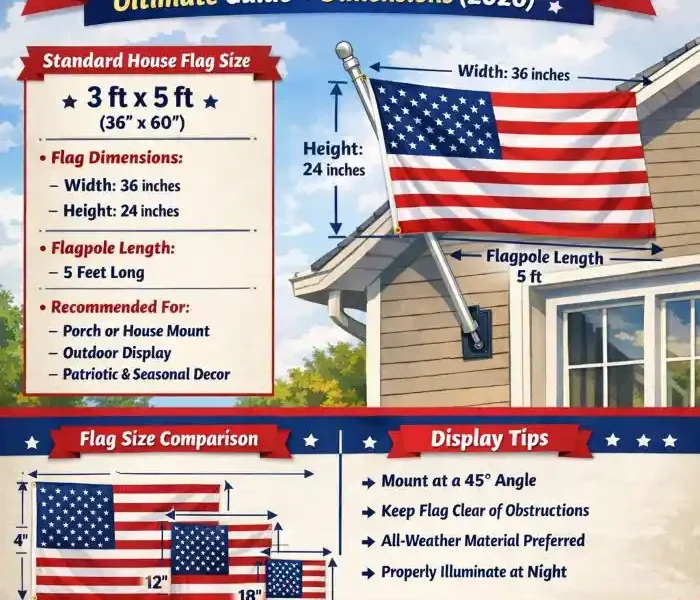
Flags are a timeless symbol of pride, heritage, and unity. Their display, especially on homes, is both an art and a tradition. But have you ever wondered, “What is the standard flag size for house displays?” Using the right size is crucial—not only to ensure proper etiquette but also to enhance the aesthetics of your home. Let’s dive into everything you need to know about house flag dimensions, pole heights, installation tips, and more.
Why Flag Size Matters
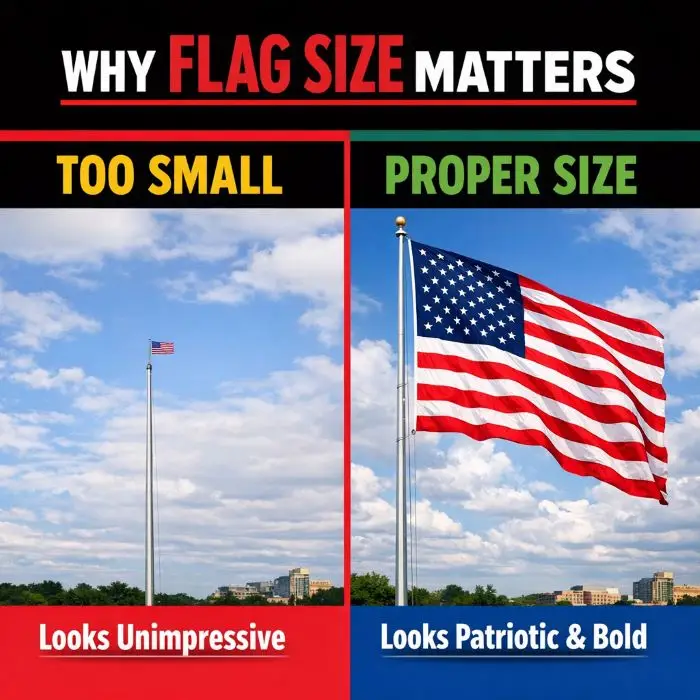
Imagine this scenario: You’ve purchased a flag to proudly display your patriotism, but instead of enhancing your home, it looks awkward—either too large and overwhelming or too small and barely noticeable. Choosing the right flag size ensures:
- Respect for flag etiquette: Proper proportions honor the symbol and tradition behind the flag.
- Enhanced curb appeal: A well-sized flag complements your home’s overall look.
- Durability and functionality: Correct sizing prevents issues like excessive wind resistance or pole strain.
In this ultimate guide, we’ll explain the standard flag size for house setups, recommendations based on home types, pole height, and even flag materials. Let’s get started!
Official Standards for House Flags
U.S. Flag Code Guidelines
The U.S. Flag Code doesn’t specify an exact size for residential flags but highlights that proportions matter. The American flag, for instance, follows a 1:1.9 ratio (width:height). For most homes, the standard flag size is 3×5 feet. This size strikes a perfect balance between visibility and proportion, especially for poles under 20 feet tall.
Some key points about flag display include:
- Half-staff position: Ensure the flag is flown at half-staff on designated days.
- Wind resistance: Larger flags experience higher wind resistance, so size wisely based on local weather conditions.
International Variations
Flag sizes and proportions vary by country, but most nations maintain similar standards for residential displays. For example:
- Pakistan: The national flag follows a 2:3 ratio, with 3×5 ft being a common choice for residential use.
- UK: Flags typically adhere to a 1:2 ratio, with smaller 2×3 ft flags being ideal for compact homes.
- Canada: Similar to the U.S., the standard house flag size is 3×5 ft, with a 2:1 ratio.
Here’s a quick comparison of flag ratios across countries:
| Country | Ratio (Width:Length) | Standard House Size |
|---|---|---|
| USA | 1:1.9 | 3×5 ft |
| Pakistan | 2:3 | 3×5 ft |
| UK | 1:2 | 2×3 ft |
| Canada | 2:1 | 3×5 ft |
Recommended Residential Sizes
Most Popular House Flag Sizes
The standard flag size for house displays varies depending on your home type and flagpole height. Here’s a breakdown of the most commonly used sizes:
- 2×3 feet: Perfect for small porches, apartments, or compact spaces.
- 3×5 feet: The most popular choice for residential homes, as it works well with 20–25 ft flagpoles.
- 4×6 feet: Ideal for larger properties with taller poles, offering greater visibility.
Why 3×5 Feet Is the Standard
The 3×5 ft flag size is widely recommended because:
- It fits poles up to 25 ft tall perfectly.
- The size ensures the flag is easily visible from a distance without dominating the home’s façade.
- It maintains the proper proportions outlined by the U.S. Flag Code.
Pole Height Matching
The height of your flagpole plays a significant role in determining the right flag size. Use this handy guide for reference:
- 10-15 ft pole: Best for 2×3 ft flags.
- 15-20 ft pole: Ideal for 3×5 ft flags.
- 25+ ft pole: Suitable for 4×6 ft or larger flags.
Visual Proportion Rule
A good rule of thumb is to ensure the flag’s length is 1/4 to 1/3 of the pole’s height. For example:
- A 3×5 ft flag is proportional for a 20 ft pole.
- A 5×8 ft flag fits perfectly on a 30 ft pole.
Here’s a comparison of flag sizes based on home types:
| Home Type | Pole Height | Standard Flag Size | Notes |
|---|---|---|---|
| Suburban Home | 20 ft | 3×5 ft | Best for mid-sized homes. |
| Apartment | 6-10 ft | 2×3 ft | Great for balconies. |
| Large Estate | 30 ft | 5×8 ft | Works well in open spaces. |
Factors Influencing Your Choice
When choosing the right flag size for your house, several factors come into play. Let’s explore them in detail:
Location and Wind Conditions
- High-wind areas: If you live in a windy region, smaller flags (e.g., 2.5×4 ft) are recommended to minimize wear and tear.
- Urban vs. rural: Homes in urban areas, especially those close to streets, benefit from larger flags for better visibility.
Material and Durability
The material of the flag affects how it handles weather conditions:
- Nylon: Lightweight and ideal for outdoor use, especially in low-wind areas.
- Polyester: Durable and great for all-weather conditions.
- Cotton: Traditional but better suited for indoor displays.
For heavier fabrics like polyester, consider slightly larger flags to ensure they fly freely.
Aesthetic and Curb Appeal
The style of your home also matters:
- Victorian or colonial homes: Look stunning with a 3×5 ft flag, as it complements their grandeur.
- Modern homes: Minimalist designs often suit smaller 2×3 ft flags for a sleek appearance.
Installation and Etiquette
Flagpole Sizing Guide
A properly sized flagpole ensures your flag is displayed at the correct height and angle. Here are some tips:
- Standard height: A 20 ft pole is ideal for most single-story homes.
- Mounting: Ensure the bottom of the flagpole is at least 5-7 ft above ground for proper clearance.
- Guy wires: Use these for added stability on taller poles.
Flag Etiquette Rules
To display your flag respectfully, follow these key etiquette rules:
- Illumination: Ensure the flag is well-lit during nighttime displays.
- Retirement: Replace frayed or faded flags promptly.
- Proper sizing: Avoid flying flags larger than garrison size (20×38 ft) on residential properties.
Custom and Alternative Flags
Beyond national flags, homeowners often display custom house flags for personal expression. These include:
- Garden flags: Typically 11×15 inches, perfect for flowerbeds or pathways.
- Sports/team flags: Often scaled to the standard 3×5 ft size.
- DIY flags: Many print shops allow you to create custom designs while following the correct proportions.
Common Mistakes to Avoid
Here are some pitfalls to watch out for:
- Using oversized flags: Overwhelms small homes and looks disproportionate.
- Ignoring ratios: A flag that’s not proportionate looks awkward and unprofessional.
- Wrong pole choice: A short pole with a large flag can cause tangling or poor display.
FAQs
1. What is the standard flag size for house displays?
The standard size is 3×5 feet, ideal for most U.S. homes.
2. Can I use a larger flag on my house?
Yes, but ensure the pole is tall enough. For example, a 5×8 ft flag works well with a 30 ft pole.
3. What’s the best material for house flags?
Nylon is lightweight and durable, while polyester is great for all-weather conditions.
4. What flag size is common in Pakistan?
The 3×5 ft flag is a global standard for residential displays, including in Pakistan.
Conclusion
Displaying a flag on your home is a proud tradition, but it requires careful thought. The standard flag size for house use—3×5 ft—offers the perfect mix of proportion, visibility, and respect for tradition. By considering factors like pole height, material, and wind conditions, you can ensure your flag not only looks great but also lasts longer.
So, whether you’re showcasing the stars and stripes, a custom design, or a team flag, choose the right size and fly it high with pride!