<p><span data-preserver-spaces="true">Have you ever seen a house and thought, “That looks like a place where history was made”? If you have been following Latin music lately, you know exactly which house I am talking about. It is a modest, salmon-colored home sitting on the coast of Puerto Rico, and it has become one of the most talked-about pieces of real estate in the world.</span></p>
<p><span data-preserver-spaces="true">Welcome to the story of </span><strong><span data-preserver-spaces="true">Bunny’s Bad Bunny’s House</span></strong><span data-preserver-spaces="true">. While most celebrities are busy showing off 50-room mansions with gold-plated faucets, Bad Bunny—the global superstar known as Benito Antonio Martínez Ocasio—decided to shine a spotlight on a simple, traditional home in Humacao. But as with everything in the world of fame, what started as a tribute to Puerto Rican culture quickly turned into a multimillion-dollar legal battle and a viral sensation that no one saw coming.</span></p>
<h2><span data-preserver-spaces="true">The Iconic House: Location and Exterior Features</span></h2>
<p><img class="aligncenter wp-image-6671 size-full" src="https://comeawayhome.co.uk/wp-content/uploads/2026/01/Untitleddesign60_imresizer-ezgif.com-jpg-to-webp-converter.webp" alt="bad bunnys house" width="1150" height="750" /></p>
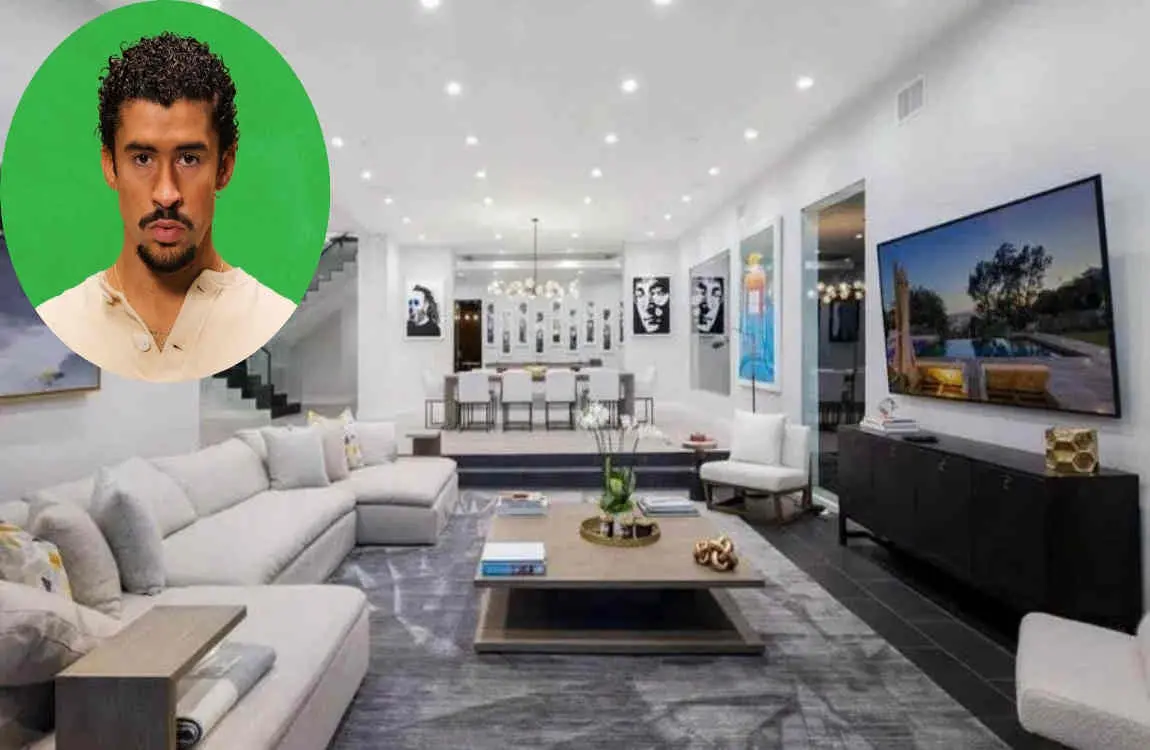
<p><span data-preserver-spaces="true">So, where exactly is this place? The real </span><strong><span data-preserver-spaces="true">bad Bunny’s house</span></strong><span data-preserver-spaces="true">—the one that inspired the stage set—is located on the southeastern coast of Puerto Rico, in the town of Humacao. It isn’t in a gated community or a <a href="https://comeawayhome.co.uk/inside-carson-wentzs-5-7m-minnesota-mansion-tour-and-luxury-features/">luxury</a> resort. It is sitting in a modest, hardworking neighborhood, right where the ocean breeze can hit the front porch.</span></p>
<p><span data-preserver-spaces="true">The house is a classic example of mid-century Puerto Rican architecture. Built in the 1960s, it is a sturdy, concrete structure designed to withstand the tropical weather. Its most striking feature is its color: a soft, salmon-pink that stands out against the lush green palm trees and the blue Caribbean sky.</span></p>
<h3><span data-preserver-spaces="true">Exterior Highlights that Captured the World</span></h3>
<p><span data-preserver-spaces="true">When you look at the <a href="https://comeawayhome.co.uk/inside-linda-hamiltons-malibu-mansion-terminator-stars-luxe-5m-beachside-retreat-photos/">exterior</a> of the house, you see more than just paint and cement. You see a lifestyle. Here are some of the features that fans find so charming:</span></p>
<ul>
<li><strong><span data-preserver-spaces="true">The Wrap-Around Porch:</span></strong><span data-preserver-spaces="true"> In Puerto Rico, the porch (or </span><em><span data-preserver-spaces="true">balcón</span></em><span data-preserver-spaces="true">) is the heart of the home. This house features a spacious porch with plenty of room for hammocks. It’s the kind of place where you sit with a cup of coffee and talk to your neighbors.</span></li>
<li><strong><span data-preserver-spaces="true">Traditional Concrete Build:</span></strong><span data-preserver-spaces="true"> The home was built block-by-block over a period of four to five years. This wasn’t a quick construction project; it was a labor of love by a family.</span></li>
<li><strong><span data-preserver-spaces="true">WWII Veteran Influence:</span></strong><span data-preserver-spaces="true"> The design was inspired by plans from Levitt & Sons, a famous construction firm known for building homes for WWII veterans. This gives the house a historic, “everyman” feel that resonates with people.</span></li>
</ul>
<h3><span data-preserver-spaces="true">Comparing the Iconic “La Casita” to Bad Bunny’s Actual Luxury Mansion</span></h3>
<p><span data-preserver-spaces="true">It is important to note that while the Humacao house is the “iconic” one, Bad Bunny also owns a private, high-end estate in central Puerto Rico. Let’s look at how they differ:</span></p>
<p><span data-preserver-spaces="true">Feature Humacao Bad Bunny’s House </span><strong><span data-preserver-spaces="true">Bad </span></strong><span data-preserver-spaces="true">Bunny’s Luxury Mansion</span></p>
<p><strong><span data-preserver-spaces="true">Location</span></strong><span data-preserver-spaces="true">: Humacao coast, modest neighborhood, Central PR, private secluded land</span></p>
<p><strong><span data-preserver-spaces="true">Architectural Style</span></strong><span data-preserver-spaces="true">: Traditional concrete, salmon exterior, Opulent modern with a long driveway</span></p>
<p><strong><span data-preserver-spaces="true">Cultural Role</span></strong><span data-preserver-spaces="true">: Viral icon and symbol of roots. Personal retreat and private residence</span></p>
<p><strong><span data-preserver-spaces="true">Public Access</span></strong><span data-preserver-spaces="true"> High (fans visit daily for photos) Zero (highly secured and private)</span></p>
<p><strong><span data-preserver-spaces="true">Layout</span></strong><span data-preserver-spaces="true"> : 3 bedrooms, 2 bathrooms, Multi-acre <a href="https://comeawayhome.co.uk/derek-jeters-22-5m-tampa-mansion-inside-the-yankees-legends-luxe-waterfront-estate/">estate</a> with guest houses</span></p>
<h2><span data-preserver-spaces="true">Inside the House: Design and Sentimental Story</span></h2>
<p><img class="aligncenter wp-image-6670 size-full" src="https://comeawayhome.co.uk/wp-content/uploads/2026/01/Untitleddesign61_imresizer-ezgif.com-jpg-to-webp-converter.webp" alt="bad bunnys house" width="1150" height="750" /></p>
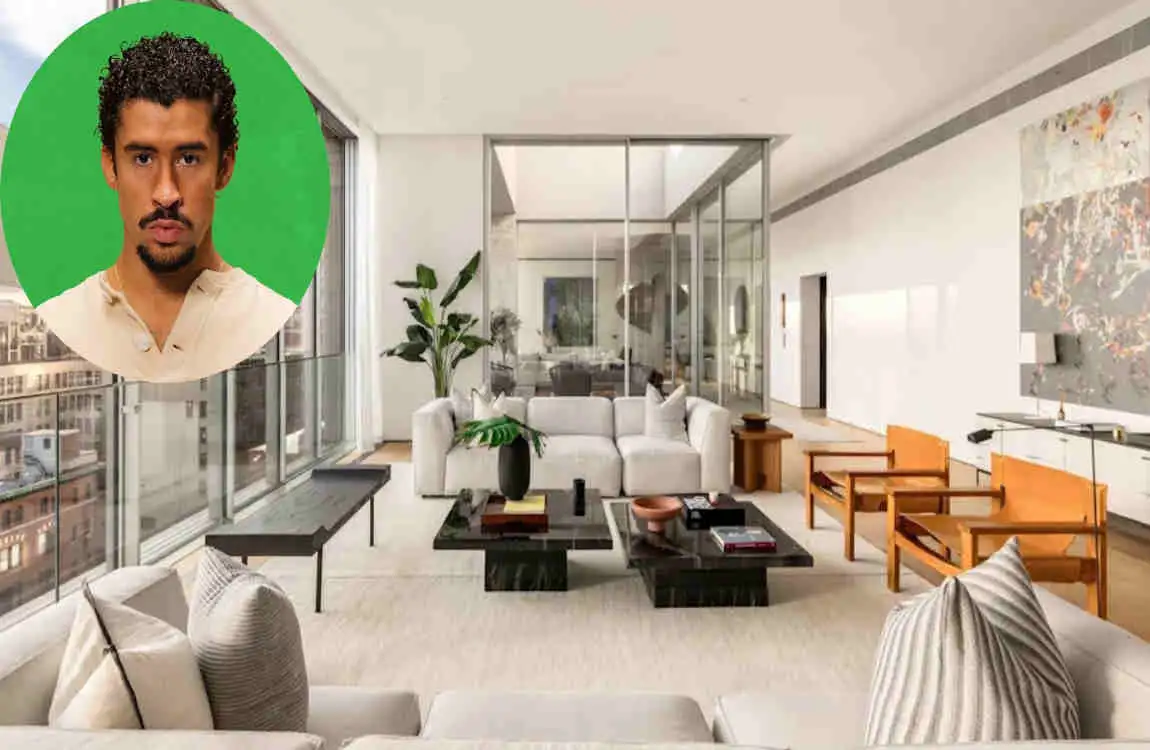
<p><span data-preserver-spaces="true">While the world knows the outside of the house, the inside holds a much more personal story. The real owner of the house is </span><strong><span data-preserver-spaces="true">Román Carrasco Delgado</span></strong><span data-preserver-spaces="true">, an 84-year-old man who has lived there for decades. For him, the house isn’t a “Bad Bunny landmark”—it is the place where he raised his family and lived with his late wife.</span></p>
<p><span data-preserver-spaces="true">The house was actually built specifically for his wife, which adds a layer of heartbreak to the current legal drama. Every corner of the home was designed with her in mind, from the spacious porch for gatherings to the specific layout of the three bedrooms.</span></p>
<h3><span data-preserver-spaces="true">Replicating “La Casita” for the Stage</span></h3>
<p><span data-preserver-spaces="true">When Bad Bunny’s <a href="https://comeawayhome.co.uk/inside-laura-baileys-luxurious-london-house-exclusive-tour-and-design-secrets/">design</a> team, led by local Puerto Rican artists, decided to recreate the house for the residency, they didn’t want it to look brand new. They wanted it to look lived-in.</span></p>
<ul>
<li><strong><span data-preserver-spaces="true">The “Grimy” Roof:</span></strong><span data-preserver-spaces="true"> Believe it or not, Bad Bunny specifically requested that the replica have a “grimy” or weathered roof. He wanted it to look like a real house that had survived years of Puerto Rican sun and rain.</span></li>
<li><strong><span data-preserver-spaces="true">Local Art:</span></strong><span data-preserver-spaces="true"> The stage replica’s interior featured art by Lorenzo Hom, a famous Puerto Rican artist, to ensure the vibe was authentic.</span></li>
<li><strong><span data-preserver-spaces="true">Rooftop Stage:</span></strong><span data-preserver-spaces="true"> The replica was so sturdy that Benito actually performed on top of the roof during his concerts, symbolizing how he stands on the shoulders of his culture.</span></li>
</ul>
<h3><span data-preserver-spaces="true">Puerto Rican Vernacular Architecture</span></h3>
<p><span data-preserver-spaces="true">The design of the Humacao house is an excellent example of “vernacular architecture.” This is just a fancy way of saying “<a href="https://comeawayhome.co.uk/bob-seger-naples-house-inside-the-rock-legends-luxe-gulf-front-condo-hideaway-update/">buildings designed</a> for the local environment.”</span></p>
<ol>
<li><strong><span data-preserver-spaces="true">High Ceilings:</span></strong><span data-preserver-spaces="true"> Help hot air rise and keep rooms cool.</span></li>
<li><strong><span data-preserver-spaces="true">Cross-Ventilation:</span></strong><span data-preserver-spaces="true"> Positioning windows and doors so the ocean breeze can flow through the entire house.</span></li>
<li><strong><span data-preserver-spaces="true">Concrete Walls:</span></strong><span data-preserver-spaces="true"> Essential for hurricane protection and thermal mass to keep the interior stable.</span></li>
</ol>
<p><span data-preserver-spaces="true">If you are looking to bring a bit of this “coastal PR” vibe to your home, start by focusing on your outdoor spaces. Adding a hammock, some tropical plants, and using warm, earthy tones like salmon or terracotta can instantly change the energy of your porch.</span></p>
<h2><span data-preserver-spaces="true">Viral Explosion: From Film to Residency Sensation</span></h2>
<p><span data-preserver-spaces="true">How did a regular house in Humacao become a global tourist destination? It all comes down to the power of the “Bad Bunny effect.” Once the house appeared in the short film, fans began using Google Maps to track down its exact coordinates.</span></p>
<p><span data-preserver-spaces="true">Within weeks, the quiet street in Humacao was transformed. Thousands of fans, both local and international, began making “pilgrimages” to the house. They weren’t just taking photos; they were filming TikTok dances and recreating scenes from the music videos.</span></p>
<h3><span data-preserver-spaces="true">The Celebrity Guest List</span></h3>
<p><span data-preserver-spaces="true">The fame of </span><strong><span data-preserver-spaces="true">Bad Bunny’s house</span></strong><span data-preserver-spaces="true"> wasn’t just limited to fans. During the 2025 residency, the “La Casita” replica on stage became the hottest VIP lounge in the world. Some of the biggest names in sports and <a href="https://comeawayhome.co.uk/peter-thiels-18m-miami-beach-mansion-inside-the-billionaires-venetian-islands-waterfront-house/">entertainment</a> were seen hanging out at the replica:</span></p>
<ul>
<li><strong><span data-preserver-spaces="true">LeBron James:</span></strong><span data-preserver-spaces="true"> The basketball legend was spotted enjoying the atmosphere.</span></li>
<li><strong><span data-preserver-spaces="true">Kylian Mbappé:</span></strong><span data-preserver-spaces="true"> The global soccer star made an appearance, showing the international reach of Benito’s brand.</span></li>
<li><strong><span data-preserver-spaces="true">Penélope Cruz and Ricky Martin,</span></strong><span data-preserver-spaces="true"> Icons of film and music, also joined the festivities.</span></li>
</ul>
<p><span data-preserver-spaces="true">This celebrity endorsement turned the house into more than just a building; it became a symbol of “cool.” However, this massive fame came with a high price for the man who actually lives there.</span></p>
<h2><span data-preserver-spaces="true">Lawsuit Drama: Owner’s $1M Claim Exposed</span></h2>
<p><span data-preserver-spaces="true">In September 2025, the feel-good story of the “cultural icon” took a sharp turn into the courtroom. </span><strong><span data-preserver-spaces="true">Román Carrasco Delgado</span></strong><span data-preserver-spaces="true">, the 84-year-old owner of the Humacao house, filed a massive lawsuit against Bad Bunny and his management team.</span></p>
<p><span data-preserver-spaces="true">Carrasco is seeking </span><strong><span data-preserver-spaces="true">$1 million in damages</span></strong><span data-preserver-spaces="true"> for emotional distress and an additional </span><strong><span data-preserver-spaces="true">$5 million for “unjust enrichment.”</span></strong><span data-preserver-spaces="true"> But why is he so upset? Let’s break down the claims made in the lawsuit.</span></p>
<h3><span data-preserver-spaces="true">Claims of Privacy Invasion and Emotional Distress</span></h3>
<p><span data-preserver-spaces="true">Imagine being 84 years old and wanting to live a quiet life, only to wake up one day and find hundreds of strangers standing in your front yard. Carrasco claims that the house’s viral fame has made his life a nightmare.</span></p>
<ul>
<li><span data-preserver-spaces="true">Fans knock on his door at all hours.</span></li>
<li><span data-preserver-spaces="true">People climb on his property to get the “perfect shot.”</span></li>
<li><span data-preserver-spaces="true">He no longer feels safe or private in the home he built for his late wife.</span></li>
</ul>
<h3><span data-preserver-spaces="true">The Contract Controversy</span></h3>
<p><span data-preserver-spaces="true">The most significant part of the lawsuit involves the legal paperwork. According to the filing:</span></p>
<ol>
<li><strong><span data-preserver-spaces="true">The Payment:</span></strong><span data-preserver-spaces="true"> Carrasco says he was only paid </span><strong><span data-preserver-spaces="true">$5,200</span></strong><span data-preserver-spaces="true"> for the use of his house in the original filming. He claims he had no idea the house would be replicated on stage or turned into a global brand.</span></li>
<li><strong><span data-preserver-spaces="true">Fraud Allegations:</span></strong><span data-preserver-spaces="true"> The lawsuit alleges that a “fraudulent e-signature” was used on the contracts. Carrasco’s lawyers point out that the owner is nearly illiterate and does not use a computer, making an electronic signature highly suspicious.</span></li>
<li><strong><span data-preserver-spaces="true">Lack of Consent:</span></strong><span data-preserver-spaces="true"> He claims he never permitted his home to become a “commercial icon” used to sell merchandise and concert tickets.</span></li>
</ol>
<h3><span data-preserver-spaces="true">Legal Analysis: Privacy vs. Publicity</span></h3>
<p><span data-preserver-spaces="true">This case is fascinating for anyone interested in real estate law. Does a celebrity have the right to film a house and make it famous without the owner’s complete understanding?</span></p>
<ul>
<li><strong><span data-preserver-spaces="true">Image Rights:</span></strong><span data-preserver-spaces="true"> Usually, if you film the exterior of a house from a public street, it is legal. However, if you use the “likeness” of a specific, unique home to build a replica for profit, the lines get blurry.</span></li>
<li><strong><span data-preserver-spaces="true">Contract Validity:</span></strong><span data-preserver-spaces="true"> If the court finds that Carrasco was misled or that his signature was forged, the contracts could be declared void.</span></li>
</ul>
<p><span data-preserver-spaces="true">As of January 2026, the lawsuit is still ongoing. It serves as a significant warning for production companies: always ensure that homeowners fully understand the “viral potential” of their property before filming begins.</span></p>
<h2><span data-preserver-spaces="true">Cultural Legacy and Real Estate Lessons</span></h2>
<p><span data-preserver-spaces="true">Regardless of how the lawsuit ends, </span><strong><span data-preserver-spaces="true">Bad Bunny’s House</span></strong><span data-preserver-spaces="true"> has already secured its place in history. It has highlighted the beauty of Puerto Rican “casitas” and forced a conversation about the impact of <a href="https://comeawayhome.co.uk/vanessa-williams-chappaqua-mansion-captivates-with-its-luxurious-11603-sq-ft-layout-on-4-45-acres-blending-celebrity-glamour-and-timeless-elegance/">celebrity</a> tourism on local communities.</span></p>
<h3><span data-preserver-spaces="true">Lessons for Homeowners</span></h3>
<p><span data-preserver-spaces="true">If you ever find a film scout knocking on your door, here are a few things to keep in mind:</span></p>
<ul>
<li><strong><span data-preserver-spaces="true">Negotiate for the Future:</span></strong><span data-preserver-spaces="true"> Don’t just settle for a one-time fee. If the project goes viral, you might want a “success fee” or a clause that protects your privacy.</span></li>
<li><strong><span data-preserver-spaces="true">Think about security:</span></strong><span data-preserver-spaces="true"> If your house becomes famous, who is going to pay for the fence or the security guard to keep fans off your lawn?</span></li>
<li><strong><span data-preserver-spaces="true">Get a Lawyer:</span></strong><span data-preserver-spaces="true"> Never sign a contract—especially an electronic one—without having a professional look it over.</span></li>
</ul>
<h3><span data-preserver-spaces="true">The Pros and Cons of Celebrity-Tied Properties</span></h3>
<p><span data-preserver-spaces="true">ProsCons</span></p>
<p><strong><span data-preserver-spaces="true">Increased Property Value:</span></strong><span data-preserver-spaces="true"> Fame can make a house more desirable to specific buyers. </span><strong><span data-preserver-spaces="true">Loss of Privacy:</span></strong><span data-preserver-spaces="true"> Your home becomes a public landmark.</span></p>
<p><strong><span data-preserver-spaces="true">Tourism Boost:</span></strong><span data-preserver-spaces="true"> Local businesses (cafes, shops) often see more customers. </span><strong><span data-preserver-spaces="true">Traffic and Noise:</span></strong><span data-preserver-spaces="true"> Quiet neighborhoods can become congested and loud.</span></p>
<p><strong><span data-preserver-spaces="true">Cultural Pride:</span></strong><span data-preserver-spaces="true"> Your home becomes a symbol of a shared heritage. </span><strong><span data-preserver-spaces="true">Legal Headaches:</span></strong><span data-preserver-spaces="true"> As seen with Carrasco, fame can lead to complex lawsuits.</span></p>
<h2><span data-sheets-root="1">Where Does Bad Bunny Currently Live?</span></h2>
<p>Bad Bunny primarily resides in Puerto Rico.</p>
Have you ever seen a house and thought, “That looks like a place where history was made”? If you have been following Latin music lately, you know exactly which house I am talking about. It is a modest, salmon-colored home sitting on the coast of Puerto Rico, and it has become one of the most talked-about pieces of real estate in the world.
Welcome to the story of Bunny’s Bad Bunny’s House. While most celebrities are busy showing off 50-room mansions with gold-plated faucets, Bad Bunny—the global superstar known as Benito Antonio Martínez Ocasio—decided to shine a spotlight on a simple, traditional home in Humacao. But as with everything in the world of fame, what started as a tribute to Puerto Rican culture quickly turned into a multimillion-dollar legal battle and a viral sensation that no one saw coming.
The Iconic House: Location and Exterior Features
So, where exactly is this place? The real bad Bunny’s house—the one that inspired the stage set—is located on the southeastern coast of Puerto Rico, in the town of Humacao. It isn’t in a gated community or a luxury resort. It is sitting in a modest, hardworking neighborhood, right where the ocean breeze can hit the front porch.
The house is a classic example of mid-century Puerto Rican architecture. Built in the 1960s, it is a sturdy, concrete structure designed to withstand the tropical weather. Its most striking feature is its color: a soft, salmon-pink that stands out against the lush green palm trees and the blue Caribbean sky.
Exterior Highlights that Captured the World
When you look at the exterior of the house, you see more than just paint and cement. You see a lifestyle. Here are some of the features that fans find so charming:
- The Wrap-Around Porch: In Puerto Rico, the porch (or balcón) is the heart of the home. This house features a spacious porch with plenty of room for hammocks. It’s the kind of place where you sit with a cup of coffee and talk to your neighbors.
- Traditional Concrete Build: The home was built block-by-block over a period of four to five years. This wasn’t a quick construction project; it was a labor of love by a family.
- WWII Veteran Influence: The design was inspired by plans from Levitt & Sons, a famous construction firm known for building homes for WWII veterans. This gives the house a historic, “everyman” feel that resonates with people.
Comparing the Iconic “La Casita” to Bad Bunny’s Actual Luxury Mansion
It is important to note that while the Humacao house is the “iconic” one, Bad Bunny also owns a private, high-end estate in central Puerto Rico. Let’s look at how they differ:
Feature Humacao Bad Bunny’s House Bad Bunny’s Luxury Mansion
Location: Humacao coast, modest neighborhood, Central PR, private secluded land
Architectural Style: Traditional concrete, salmon exterior, Opulent modern with a long driveway
Cultural Role: Viral icon and symbol of roots. Personal retreat and private residence
Public Access High (fans visit daily for photos) Zero (highly secured and private)
Layout : 3 bedrooms, 2 bathrooms, Multi-acre estate with guest houses
Inside the House: Design and Sentimental Story
While the world knows the outside of the house, the inside holds a much more personal story. The real owner of the house is Román Carrasco Delgado, an 84-year-old man who has lived there for decades. For him, the house isn’t a “Bad Bunny landmark”—it is the place where he raised his family and lived with his late wife.
The house was actually built specifically for his wife, which adds a layer of heartbreak to the current legal drama. Every corner of the home was designed with her in mind, from the spacious porch for gatherings to the specific layout of the three bedrooms.
Replicating “La Casita” for the Stage
When Bad Bunny’s design team, led by local Puerto Rican artists, decided to recreate the house for the residency, they didn’t want it to look brand new. They wanted it to look lived-in.
- The “Grimy” Roof: Believe it or not, Bad Bunny specifically requested that the replica have a “grimy” or weathered roof. He wanted it to look like a real house that had survived years of Puerto Rican sun and rain.
- Local Art: The stage replica’s interior featured art by Lorenzo Hom, a famous Puerto Rican artist, to ensure the vibe was authentic.
- Rooftop Stage: The replica was so sturdy that Benito actually performed on top of the roof during his concerts, symbolizing how he stands on the shoulders of his culture.
Puerto Rican Vernacular Architecture
The design of the Humacao house is an excellent example of “vernacular architecture.” This is just a fancy way of saying “buildings designed for the local environment.”
- High Ceilings: Help hot air rise and keep rooms cool.
- Cross-Ventilation: Positioning windows and doors so the ocean breeze can flow through the entire house.
- Concrete Walls: Essential for hurricane protection and thermal mass to keep the interior stable.
If you are looking to bring a bit of this “coastal PR” vibe to your home, start by focusing on your outdoor spaces. Adding a hammock, some tropical plants, and using warm, earthy tones like salmon or terracotta can instantly change the energy of your porch.
Viral Explosion: From Film to Residency Sensation
How did a regular house in Humacao become a global tourist destination? It all comes down to the power of the “Bad Bunny effect.” Once the house appeared in the short film, fans began using Google Maps to track down its exact coordinates.
Within weeks, the quiet street in Humacao was transformed. Thousands of fans, both local and international, began making “pilgrimages” to the house. They weren’t just taking photos; they were filming TikTok dances and recreating scenes from the music videos.
The Celebrity Guest List
The fame of Bad Bunny’s house wasn’t just limited to fans. During the 2025 residency, the “La Casita” replica on stage became the hottest VIP lounge in the world. Some of the biggest names in sports and entertainment were seen hanging out at the replica:
- LeBron James: The basketball legend was spotted enjoying the atmosphere.
- Kylian Mbappé: The global soccer star made an appearance, showing the international reach of Benito’s brand.
- Penélope Cruz and Ricky Martin, Icons of film and music, also joined the festivities.
This celebrity endorsement turned the house into more than just a building; it became a symbol of “cool.” However, this massive fame came with a high price for the man who actually lives there.
Lawsuit Drama: Owner’s $1M Claim Exposed
In September 2025, the feel-good story of the “cultural icon” took a sharp turn into the courtroom. Román Carrasco Delgado, the 84-year-old owner of the Humacao house, filed a massive lawsuit against Bad Bunny and his management team.
Carrasco is seeking $1 million in damages for emotional distress and an additional $5 million for “unjust enrichment.” But why is he so upset? Let’s break down the claims made in the lawsuit.
Claims of Privacy Invasion and Emotional Distress
Imagine being 84 years old and wanting to live a quiet life, only to wake up one day and find hundreds of strangers standing in your front yard. Carrasco claims that the house’s viral fame has made his life a nightmare.
- Fans knock on his door at all hours.
- People climb on his property to get the “perfect shot.”
- He no longer feels safe or private in the home he built for his late wife.
The Contract Controversy
The most significant part of the lawsuit involves the legal paperwork. According to the filing:
- The Payment: Carrasco says he was only paid $5,200 for the use of his house in the original filming. He claims he had no idea the house would be replicated on stage or turned into a global brand.
- Fraud Allegations: The lawsuit alleges that a “fraudulent e-signature” was used on the contracts. Carrasco’s lawyers point out that the owner is nearly illiterate and does not use a computer, making an electronic signature highly suspicious.
- Lack of Consent: He claims he never permitted his home to become a “commercial icon” used to sell merchandise and concert tickets.
Legal Analysis: Privacy vs. Publicity
This case is fascinating for anyone interested in real estate law. Does a celebrity have the right to film a house and make it famous without the owner’s complete understanding?
- Image Rights: Usually, if you film the exterior of a house from a public street, it is legal. However, if you use the “likeness” of a specific, unique home to build a replica for profit, the lines get blurry.
- Contract Validity: If the court finds that Carrasco was misled or that his signature was forged, the contracts could be declared void.
As of January 2026, the lawsuit is still ongoing. It serves as a significant warning for production companies: always ensure that homeowners fully understand the “viral potential” of their property before filming begins.
Cultural Legacy and Real Estate Lessons
Regardless of how the lawsuit ends, Bad Bunny’s House has already secured its place in history. It has highlighted the beauty of Puerto Rican “casitas” and forced a conversation about the impact of celebrity tourism on local communities.
Lessons for Homeowners
If you ever find a film scout knocking on your door, here are a few things to keep in mind:
- Negotiate for the Future: Don’t just settle for a one-time fee. If the project goes viral, you might want a “success fee” or a clause that protects your privacy.
- Think about security: If your house becomes famous, who is going to pay for the fence or the security guard to keep fans off your lawn?
- Get a Lawyer: Never sign a contract—especially an electronic one—without having a professional look it over.
The Pros and Cons of Celebrity-Tied Properties
ProsCons
Increased Property Value: Fame can make a house more desirable to specific buyers. Loss of Privacy: Your home becomes a public landmark.
Tourism Boost: Local businesses (cafes, shops) often see more customers. Traffic and Noise: Quiet neighborhoods can become congested and loud.
Cultural Pride: Your home becomes a symbol of a shared heritage. Legal Headaches: As seen with Carrasco, fame can lead to complex lawsuits.
Where Does Bad Bunny Currently Live?
Bad Bunny primarily resides in Puerto Rico.